Oct 15, 2026Reliability Engineering
Incoming Inspection of Aluminum Electrolytic Capacitors: Lot Acceptance
How to structure incoming inspection for aluminum electrolytic capacitors: agree criteria before shipment, check identity and electricals by family, classify defects, and handle a nonconforming lot.

Incoming inspection answers one question about each arriving lot: accept it, segregate it, or send it back. The answer is only as good as the criteria behind it — which is why the most important step happens before the first shipment, not at the receiving dock. This page sets out a practical incoming-inspection structure for aluminum electrolytic capacitors, from identity checks to disposition, and how a nonconforming lot gets handled.
Agree on Acceptance Criteria Before Shipment
The time to negotiate what "good" means is before anything ships. Which parameters will be checked on arriving lots, against which limits, sampled how — written down and agreed. This is part of the qualification flow described in sample qualification: the criteria you validated during sampling become the criteria incoming inspection enforces. Without that agreement, every disputed lot turns into an argument about method instead of a decision about the parts.
Lot Identity, Packaging and Visual Inspection
Before any electrical measurement, check the lot is what you ordered:
- Identity: part number and specification on the label match the purchase order; date/lot codes are consistent within the shipment.
- Packaging: boxes sealed, dry and undamaged; for SMD parts, reels bagged with desiccant and the bag's opening date recorded.
- Visual: sleeve intact without cracks or shrinkage, polarity marking readable and consistent, cans not tilted or dented, leads straight for radial parts.
Electrical and Dimensional Checks by Family
The typical incoming electrical set is capacitance, dissipation factor (or ESR) and leakage current — each measured under the datasheet's stated conditions. The conditions are where incoming results go wrong: leakage measured without the specified precharge time, or capacitance at the wrong temperature and frequency, produces "failures" that are measurement artifacts. If your readings and the supplier's ever disagree, the usual suspect is the method — this is covered in detail in why testing gives different readings. Dimensional checks matter for through-mount families: lead pitch and can diameter against the drawing, before the parts meet a forming tool.
Sampling and Defect Classification
One hundred percent electrical testing of large lots is rarely justified; sample according to your quality system's plan and classify what you find:
- Critical: anything with safety implications — vent damage, electrolyte leakage, reversed polarity marking, a cracked sleeve.
- Major: electrical parameters outside the agreed limits on sampled parts.
- Minor: cosmetic sleeve marks that do not affect function or marking legibility.
The sampling level and AQL you accept is a business decision between you and the supplier — agree it explicitly rather than inheriting a default nobody has read.
Handling a Suspect or Nonconforming Lot
When findings exceed the agreed limits: segregate the lot physically, label it, and keep it out of production — the most expensive version of this failure is mixing suspect parts into good stock. Then document: part number, lot and date codes, quantity affected versus received, the findings with measurement conditions, and photographs of any marked parts. That document is what makes the supplier review fast; it is the input to the claim process described in quality claims: evidence, failure review and resolution.
Retesting, Supplier Review and Disposition
A nonconforming finding does not end the story — it starts a review. The supplier checks the findings against the pinned specification revision; some findings resolve as measurement-method differences, some as genuine defects, some as specification mismatches that were always latent. The dispositions available at the end: accept, accept with a documented concession, or return for replacement. At COREVIA the policy for confirmed component defects is explicit: confirmed defective units are replaced free of charge, one for one, with the next order — the review process behind that is described in the claims page.
Lot Acceptance FAQ
Should leakage current be tested on every incoming lot?
It is the parameter most affected by storage time, so it earns its place in the plan — tested under datasheet conditions. Note that elevated leakage after long storage is normal behavior until the oxide re-forms; the context is in storage, shelf life and re-forming.
One sample reads out of limit. Reject the lot?
First verify the measurement conditions, then resample around the finding per your plan. A single outlier with a method explanation is a different thing from a pattern across the lot — the full reasoning is in the readings page.
Who pays freight on a rejected lot?
That follows from the review outcome and your trade terms — it is part of what gets agreed when the claim is confirmed, not something to improvise at the dock.
Do acceptance criteria differ between families?
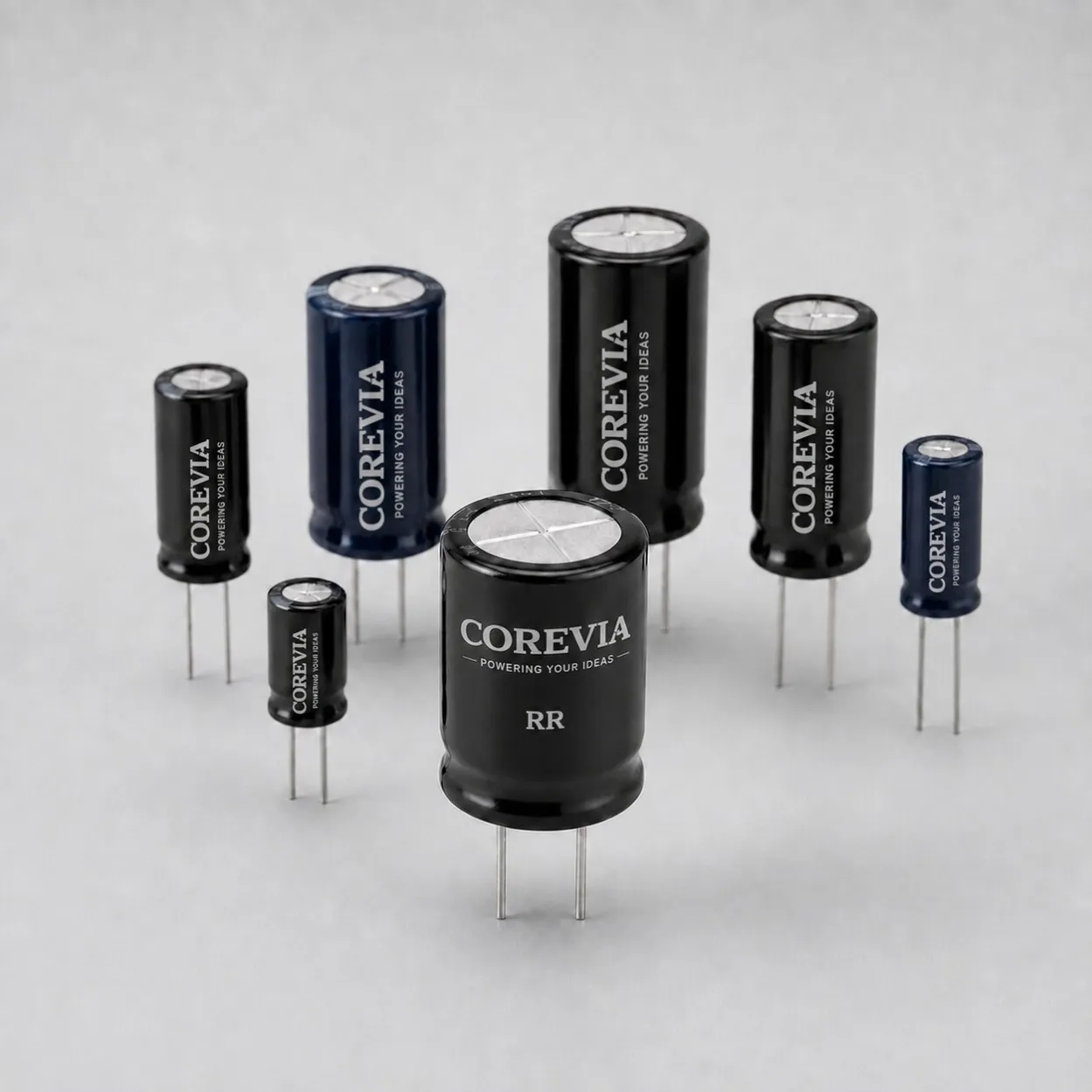
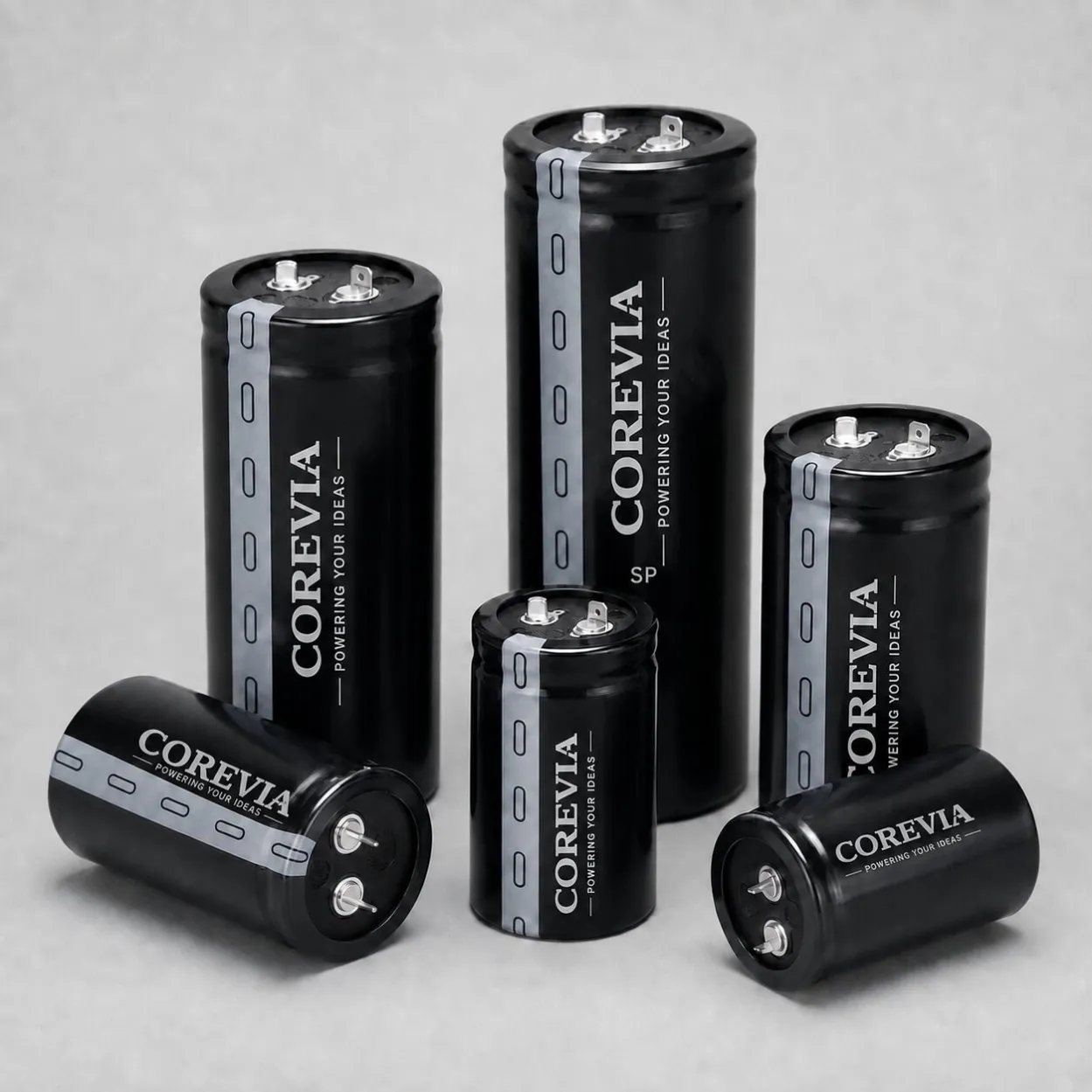
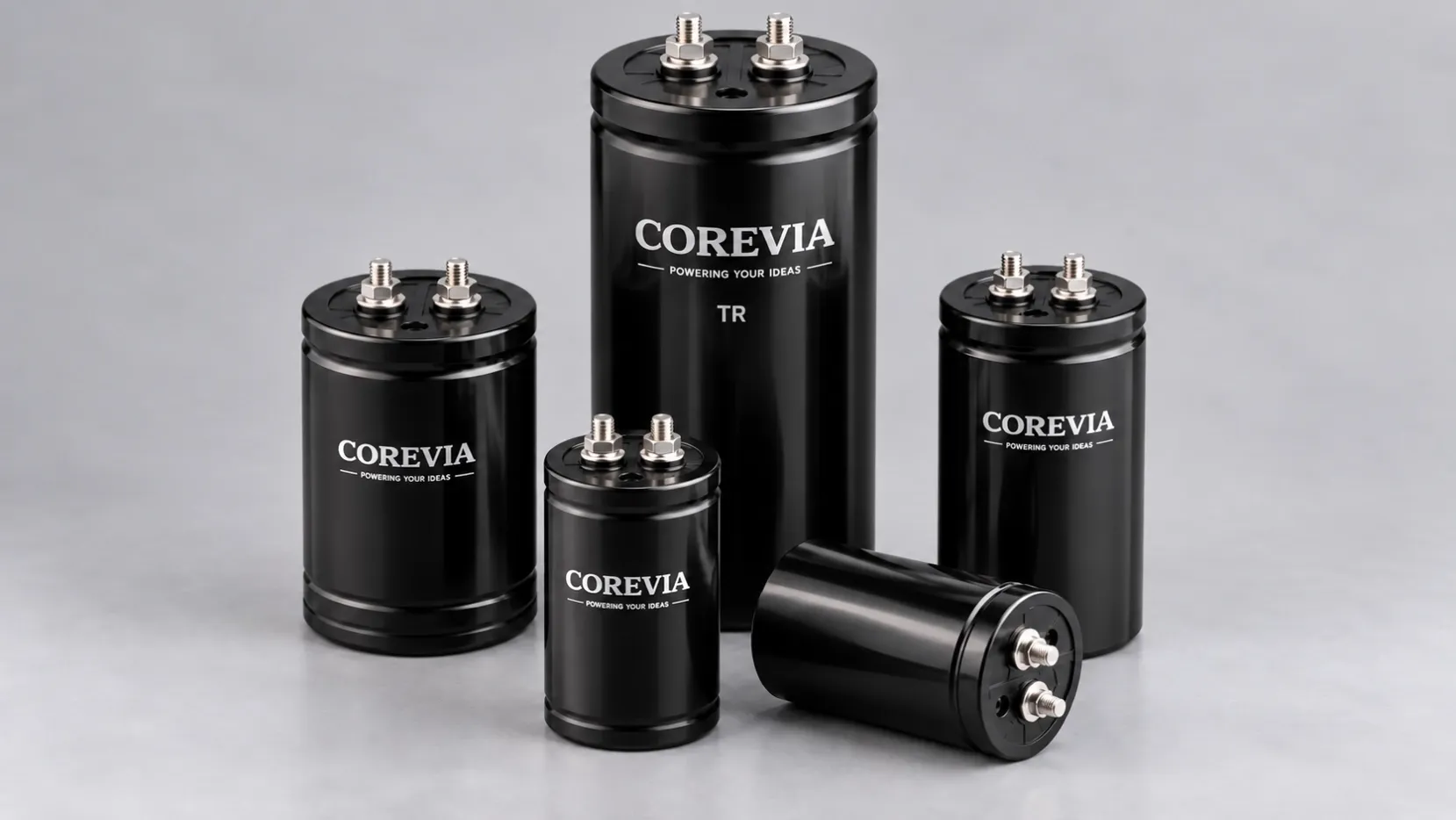
The electrical core — C, DF/ESR, leakage — is the same logic for all four families. The mechanical additions differ: lead pitch for radial, cradle seating for SMD, terminal condition for large cans.
Setting up incoming inspection for a new COREVIA series? Send us the series and your draft acceptance criteria — we will review them against the datasheet before your first shipment.