Sep 17, 2026Reliability Engineering
Unused Does Not Always Mean Ready to Use: Long-Stored Aluminum Electrolytic Capacitors
Learn how storage time and conditions can affect leakage current, solderability and first-use checks for aluminum electrolytic capacitors.
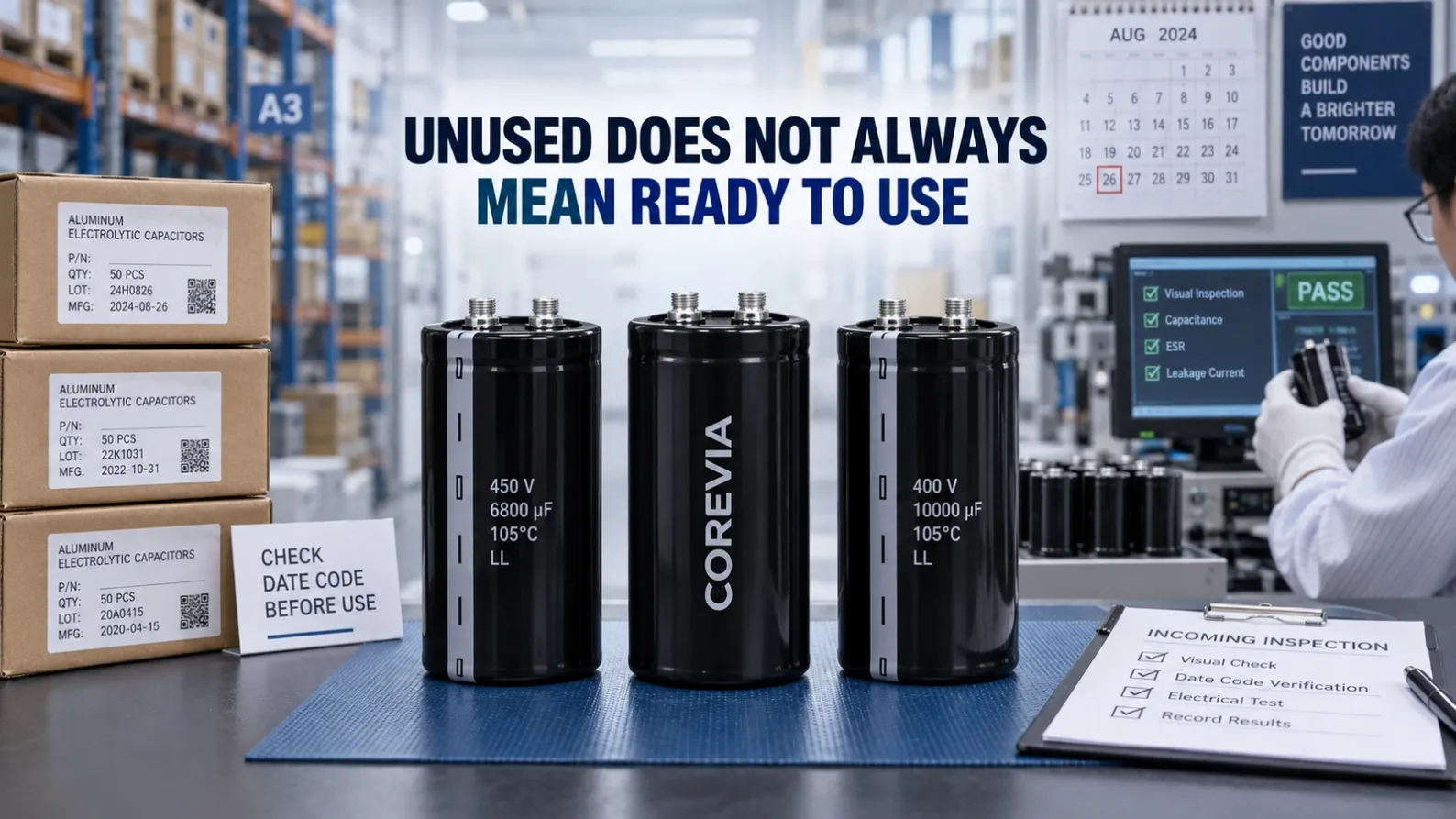
Unused does not always mean unchanged.
An aluminum electrolytic capacitor may spend months or years in a warehouse, service-parts cabinet or equipment manufacturer’s inventory before it is energized. During that time, it is not consuming its rated operating endurance in the same way as a capacitor running at elevated temperature. However, storage conditions and the condition of the internal dielectric still matter.
The most common concern after long storage is increased leakage current during first energization. This does not automatically mean that every old capacitor is defective, and it does not justify applying rated voltage without controls. The correct decision depends on the exact series, storage history, package condition and manufacturer’s instructions.
This guide explains what purchasing, maintenance and engineering teams should check before putting long-stored aluminum electrolytic capacitors into service.
Why stored aluminum electrolytic capacitors can behave differently
The dielectric in an aluminum electrolytic capacitor is a thin aluminum-oxide layer formed electrochemically on the anode foil. The liquid or gel electrolyte acts as the cathode system and also supports repair of small imperfections in that oxide layer when appropriate voltage is applied.
Storage can also affect solderability, sealing materials and moisture exposure. These concerns are different from electrical reforming and must be evaluated separately.
Shelf life is not a universal expiration date
There is no single shelf-life number that is correct for every aluminum electrolytic capacitor.
SMD, radial-leaded, snap-in and screw-terminal products use different constructions, packaging and mounting processes. Even two series with the same capacitance and voltage rating may have different storage limits or preconditioning instructions. Sealed moisture-barrier packaging is especially important for some surface-mount products before reflow soldering.
A date code alone therefore cannot answer the question, “Can we use this capacitor?”
The better questions are:
• What is the exact manufacturer and series?
• How long has the product been stored?
• Was the original packaging kept sealed?
• What temperature, humidity and atmosphere was the inventory exposed to?
• Are the terminals clean and solderable?
• Does the series datasheet specify a storage limit, baking condition or voltage-treatment procedure?
• Can the lot be inspected and electrically sampled before production use?
Start with traceability
Before opening a stored lot, record the information available on the carton, reel, tray and capacitor sleeve.
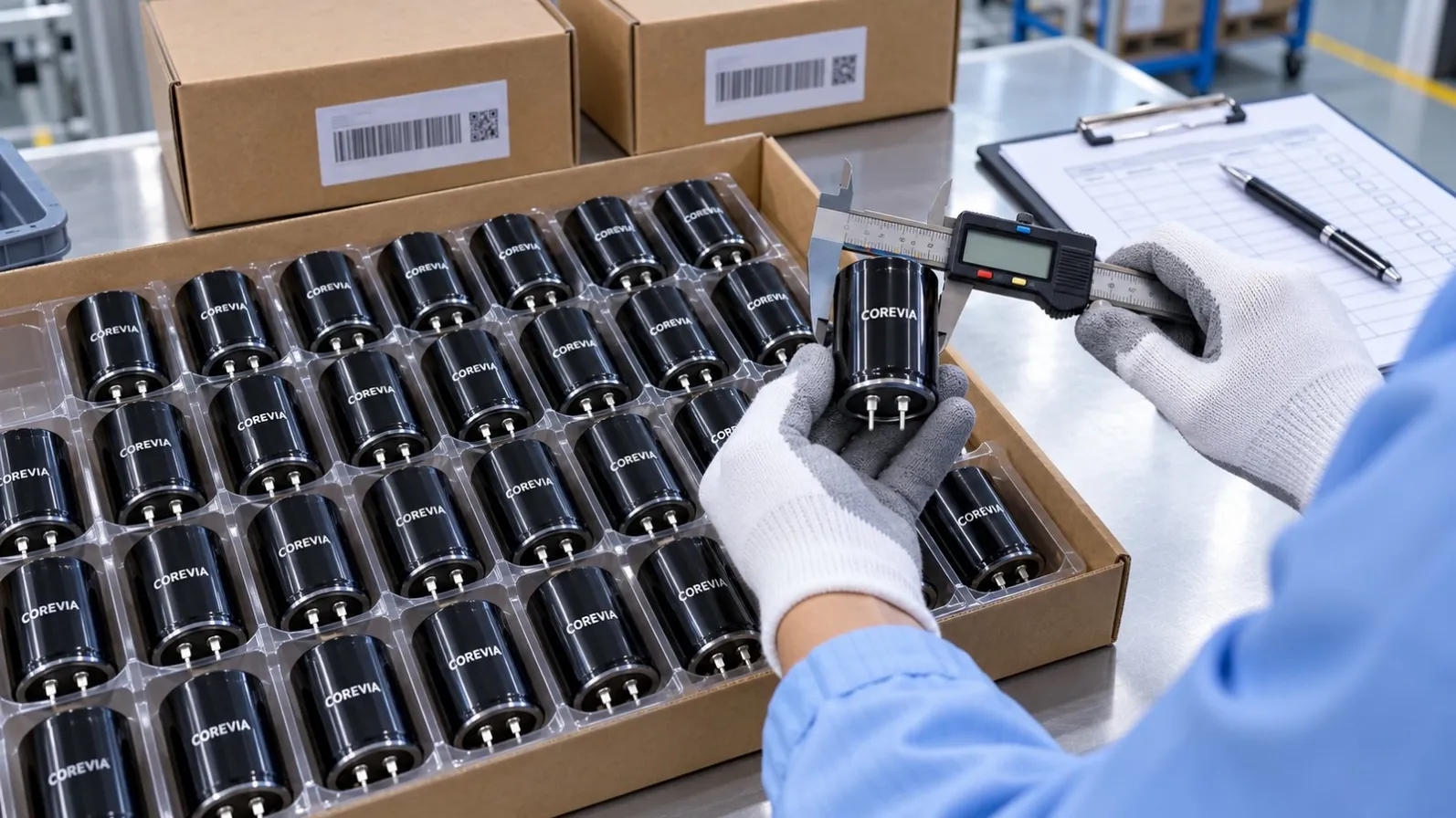
Capture the manufacturer, complete part number, series, rated voltage, capacitance, case size, terminal style, lot number, date code and quantity. Photograph labels before repacking. For replacement stock, also record the equipment model and original application.
Do not combine lots with different date codes or unknown histories. Lot separation makes it easier to sample, test and make a defensible acceptance decision.
Inspect packaging and storage history
Check whether the original packaging is intact and whether humidity indicators, desiccant or moisture-barrier bags were used where specified. Look for water exposure, condensation, corrosion, chemical contamination or physical damage.
A cool, dry and clean warehouse is generally preferable to high temperature and humidity, but the acceptable range must come from the applicable specification. Avoid locations exposed to direct sunlight, ozone, ultraviolet radiation, corrosive gases, salt, oil or severe temperature cycling.
If storage conditions are unknown, treat the lot as higher risk. Electrical testing cannot reverse corrosion, compromised seals or poor solderability.
Perform a careful visual inspection
Reject or quarantine capacitors showing any of the following:
• A raised, split or distorted safety vent
• Electrolyte residue or leakage
• A swollen sleeve, displaced seal or deformed can
• Corroded, oxidized, bent or loose terminals
• Cracks, impact marks or evidence that the part was dropped
• Incorrect polarity markings or an unreadable date/lot code
• Damaged reel, tray or moisture-barrier packaging for SMD parts
Do not attempt to reform a capacitor that is mechanically damaged, leaking or visibly deformed. Reforming is not a repair for physical failure.
Electrical checks before production use
For important or high-energy applications, a sample from each stored lot should be evaluated using the product’s specified test conditions.
Useful checks include capacitance, dissipation factor or ESR where specified, leakage current after the stated test time, insulation and terminal condition, and solderability for leaded or surface-mount products. Compare results with the current series datasheet, not with a generic rule taken from another manufacturer.
Remember that ESR and capacitance alone do not prove that a stored capacitor is ready for service. Leakage current behavior during controlled energization is also important, especially for high-voltage snap-in and screw-terminal capacitors.
When voltage treatment may be appropriate
Manufacturer guidance commonly notes that leakage current can increase after extended storage and may be reduced through an approved voltage-treatment procedure. The exact method is product-specific.
Do not copy a voltage, resistance, current limit, temperature or duration from an unrelated capacitor series. A method suitable for a low-voltage radial component may be inappropriate for a high-voltage DC-link capacitor. Likewise, moisture preconditioning for an SMD package is not the same process as dielectric reforming.
Voltage treatment should be carried out only by qualified personnel using suitable isolated equipment, current limiting, discharge provisions, guarding and polarity control. The capacitor manufacturer’s current datasheet or written instruction should define the procedure and acceptance criteria.
Never apply reverse polarity, exceed the rated voltage or bypass current limiting in an attempt to “wake up” old inventory. If abnormal heating, pressure, odor, noise or unstable current occurs, de-energize safely and quarantine the component.
Special attention for SMD capacitors
For surface-mount aluminum electrolytic capacitors, long storage can create two separate questions:
Is the dielectric condition acceptable electrically?
Has the package absorbed moisture that affects reflow soldering?
Some SMD series specify a limited floor life after opening a moisture-barrier bag and may require manufacturer-approved baking before reflow. Baking conditions are package- and series-specific. Excessive temperature or time can damage the seal, sleeve or electrical characteristics.
Confirm the reel label, packaging condition, floor-life record and reflow profile before assembly. Do not assume that successful reforming makes an improperly stored SMD lot suitable for soldering.
Snap-in and screw-terminal inventory
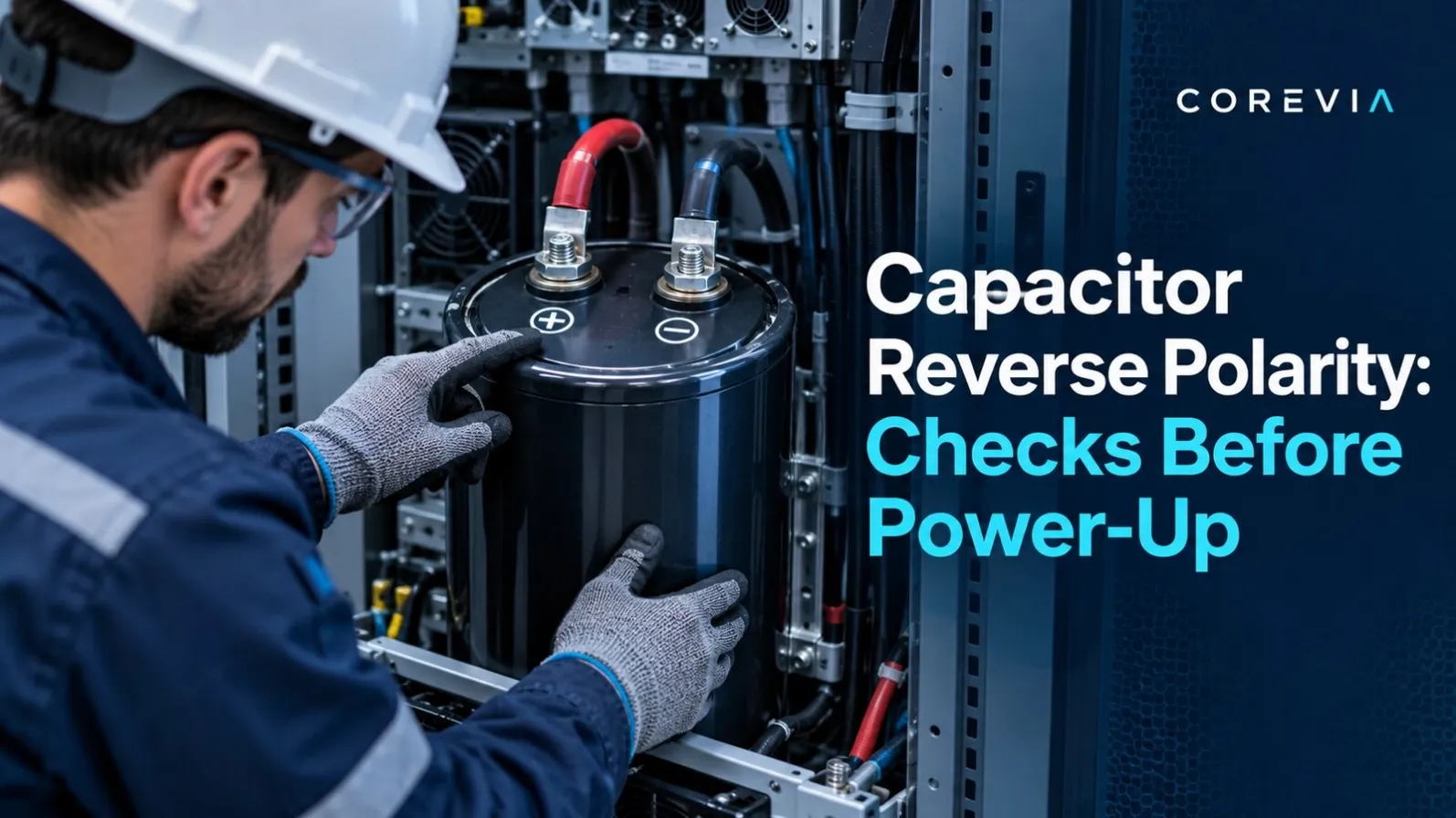
Large snap-in and screw-terminal capacitors are often stored as maintenance spares for UPS systems, inverters, drives and energy-storage converters. Their high stored energy makes controlled first energization especially important.
Before installation, verify the terminal configuration, polarity, mounting hardware, case dimensions and safety-vent clearance. Check that the replacement’s ripple-current rating, ESR, endurance and temperature capability match the real application—not only voltage and capacitance.
If the lot has been stored for an extended period, ask the supplier for series-specific storage and voltage-treatment guidance. For critical equipment, document the inspection results and the first-energization procedure in the maintenance record.
A practical warehouse acceptance workflow
A disciplined process is more reliable than deciding by date code alone:
Identify and separate each lot.
Review the exact series datasheet and storage instructions.
Confirm packaging and warehouse history.
Visually inspect the lot and quarantine damaged parts.
Sample electrical characteristics under specified conditions.
Obtain manufacturer guidance if voltage treatment is required.
Recondition only with approved equipment and controls.
Re-test against documented acceptance limits.
Record the decision: release, restricted use, return or scrap.
For safety-critical, warranty-sensitive or high-energy equipment, involve the original equipment manufacturer or a qualified component engineer before releasing questionable inventory.
What to provide for a COREVIA review
If you need help evaluating a stored lot or replacing an older capacitor, send:
• Clear photos of the capacitor and carton labels
• Full part number, series, lot number and date code
• Quantity and packaging type
• Estimated storage time and conditions
• Voltage, capacitance, case size and terminal construction
• Available leakage-current, ESR and capacitance measurements
• Equipment type and application conditions
• Original datasheet or service-manual reference
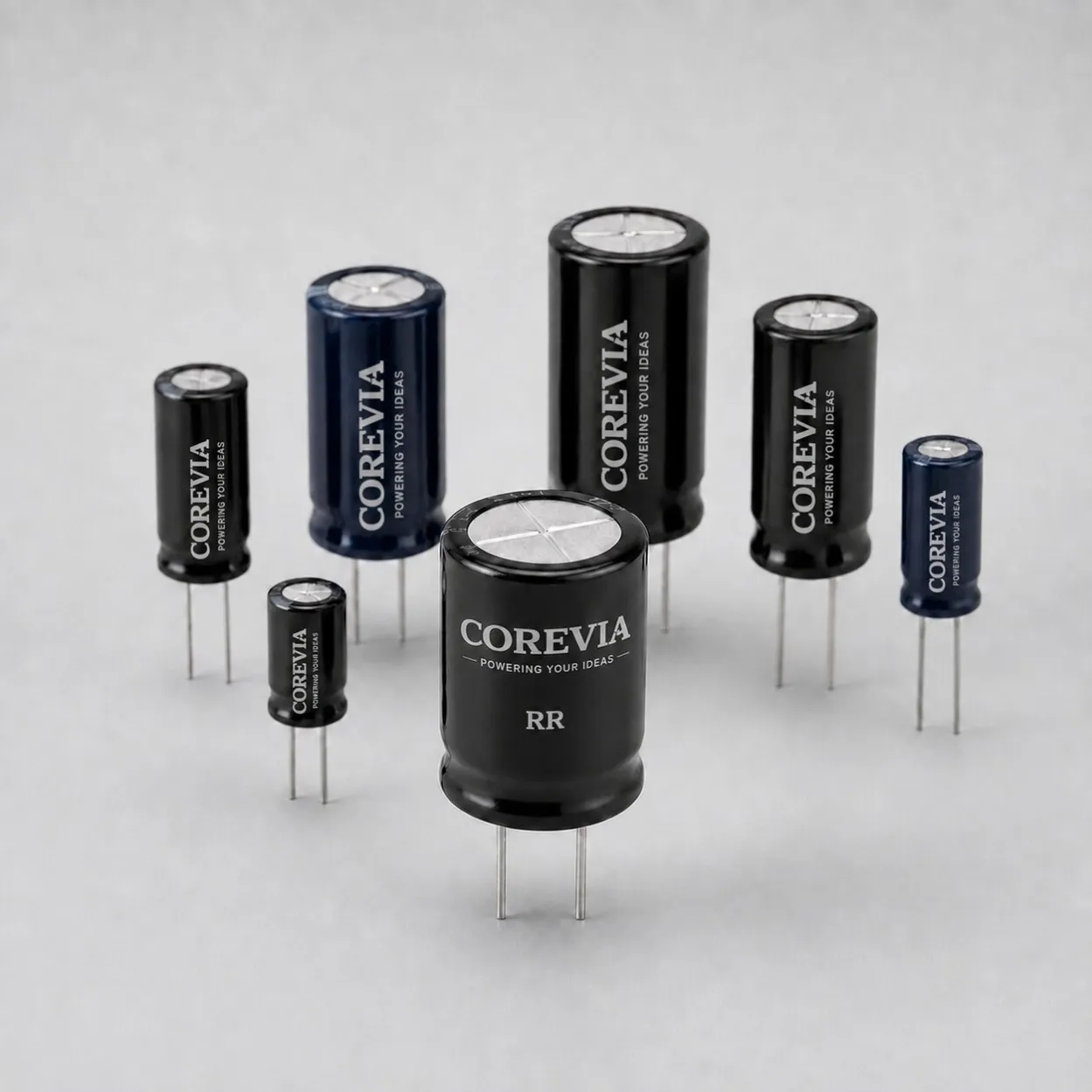
COREVIA can review the available information and help identify a suitable SMD, radial-leaded, snap-in or screw-terminal series. Final release decisions should always follow the applicable product specification and qualified engineering review.
Explore COREVIA capacitor families
Surface-Mount Aluminum Electrolytic Capacitors
Radial Leaded Aluminum Electrolytic Capacitors
Snap-in Terminal Aluminum Electrolytic Capacitors
Screw Terminal Aluminum Electrolytic Capacitors
Need application-specific support?
Email [email protected] with the original part number, storage history and application details. We will help you organize the information needed for a safer technical review and replacement decision.