Oct 16, 2026Buying Guides
Aluminum Electrolytic Capacitor Supplier Qualification Checklist for Industrial OEMs
A qualification checklist for aluminum electrolytic capacitor suppliers: supply role, specification control, sample-to-production consistency, and the evidence to request before approving.
Approving a capacitor supplier is a supply-chain decision more than an electrical one. The datasheets of two aluminum electrolytic capacitors can look almost identical while everything around them — who actually makes the part, how revisions are controlled, whether the samples resemble the shipment — differs completely. This checklist walks through the seven areas an industrial OEM or EMS should close before putting a supplier on the approved list, with notes on how each point works at COREVIA.
What to Verify Before Approving a Capacitor Supplier
Every qualification reduces to three questions: can they make it, can they prove it, and will they stand behind it? Practically, that means collecting four things in writing before the first order:
- The supply role: manufacturer or trading company, and which families and case sizes they genuinely produce themselves.
- The controlled specification: a dated datasheet revision that orders will be built against.
- Evidence capability: which test reports and documents can be supplied, and for which series.
- The commercial frame: trade terms, quotation validity and how the order schedule works.
Confirming the Manufacturing and Supply Responsibilities
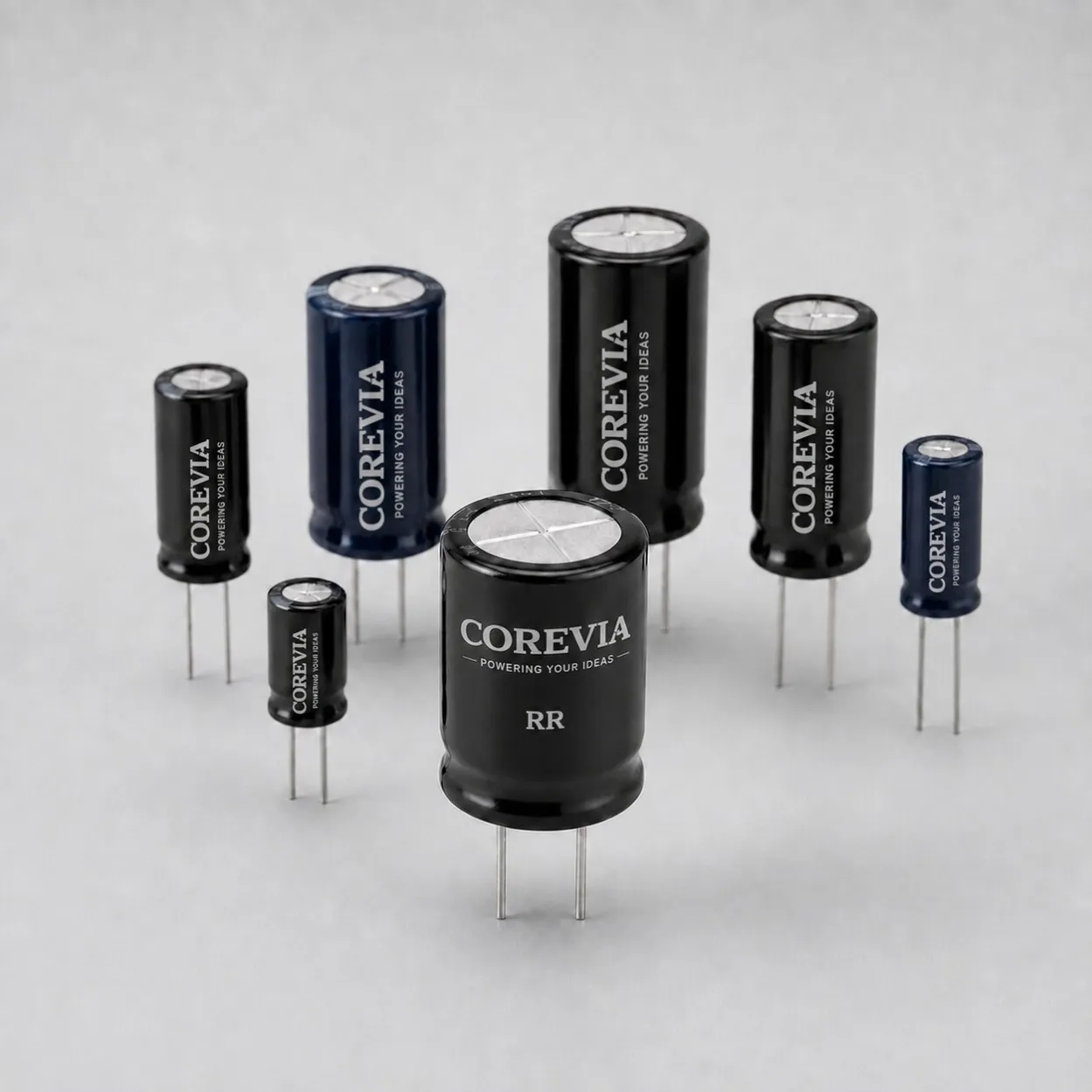
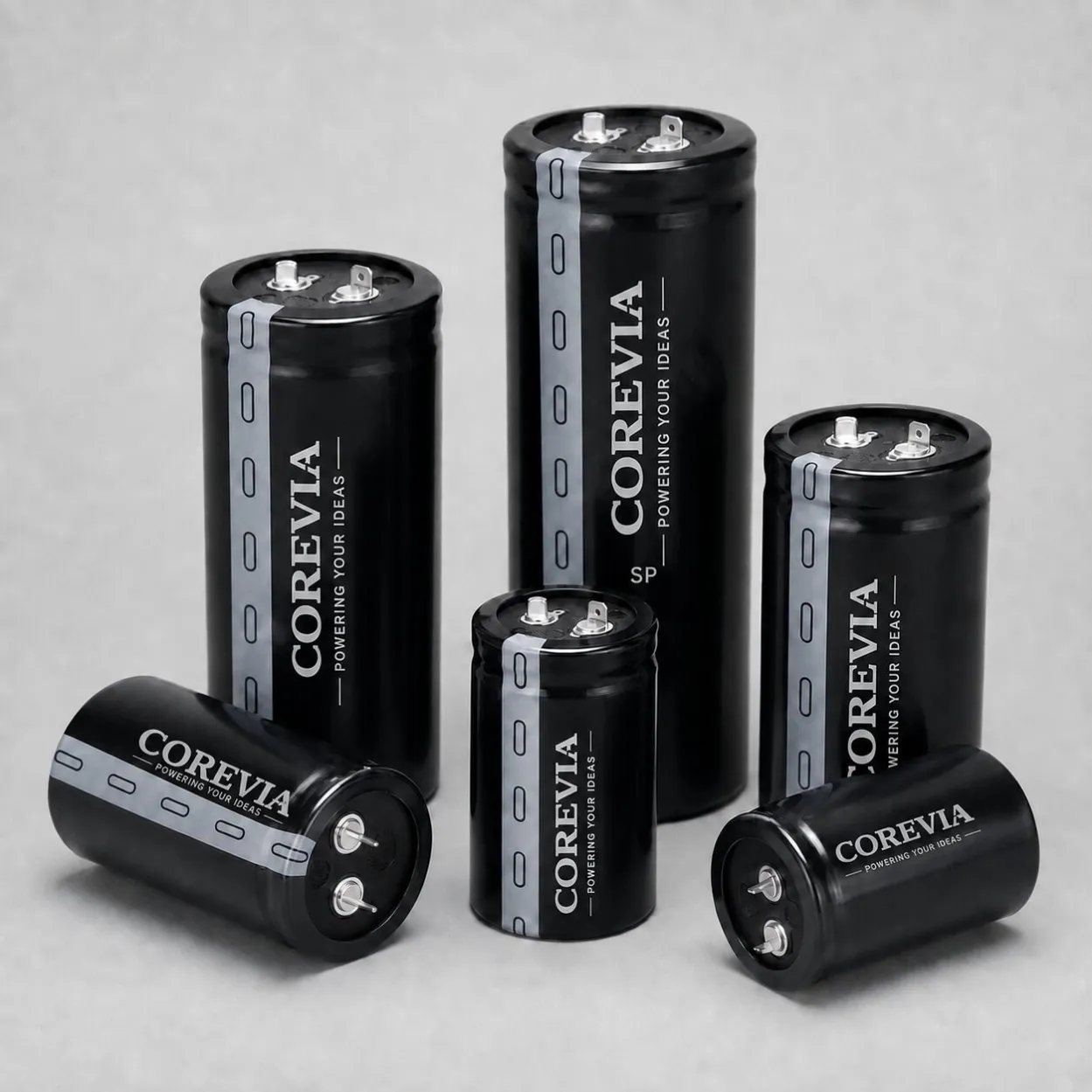
Ask directly what portion of the catalogue the supplier manufactures in their own plant and what is brokered. At COREVIA the answer is simple: COREVIA works with manufacturing partners for the proposed capacitor series, with terms, availability and lead time confirmed for each order.
Required Specifications and Revision Control
The datasheet that wins the design should become the datasheet that controls the order. Pin the revision: note the datasheet version on the purchase order, and agree in writing that no change to the specification happens without notification and your approval. This single habit prevents the classic failure mode — a part that measures differently six months later because "something was optimized" without anyone telling the customer. When you qualify a COREVIA series, the revision you tested is the revision the order is built against.
Sample-to-Production Consistency
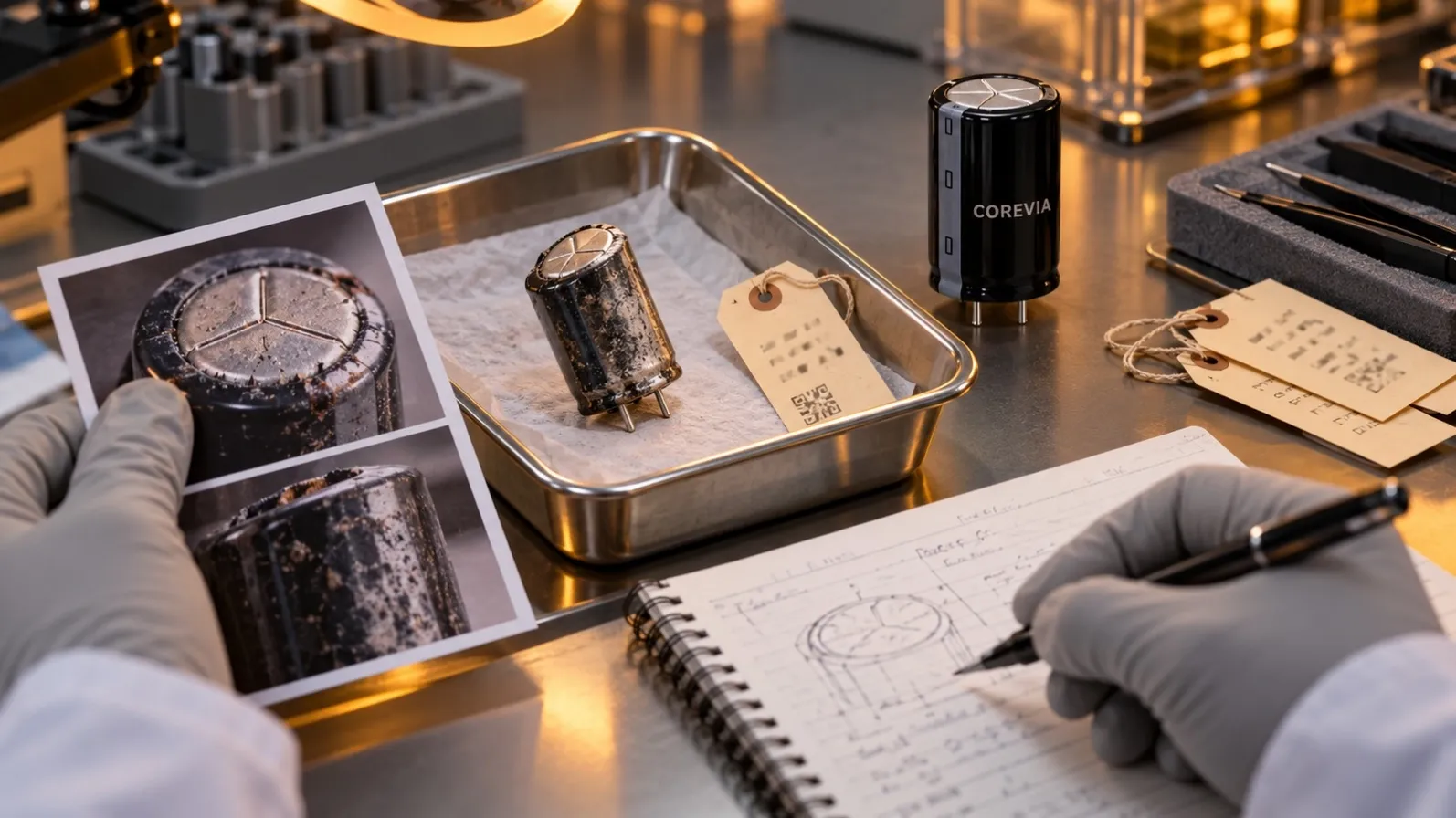
This is the question that separates capacitor suppliers more than any other: will the production shipment match the samples I approved? The failure pattern to avoid is the "golden sample" — hand-finished parts from a pilot line that mass production cannot reproduce. For a COREVIA proposal, record the sample lot and agree what the production shipment must match. The sample stage, described in sample qualification: from request to production approval, helps define the characteristics the production order must meet.
Quality Records and Available Evidence
Ask the supplier for the document list your quality system requires, and watch what happens. A manufacturer with real production control can answer item by item: endurance test reports for the series (how to read one is covered in endurance test reports), material declarations, shipment documents and lot identity. At COREVIA, documents are provided per customer requirement — send us the list and we confirm what can be supplied for your series before you commit. A supplier who cannot produce any records for a series in active production is telling you something important.
Approval Criteria and Unresolved Engineering Questions
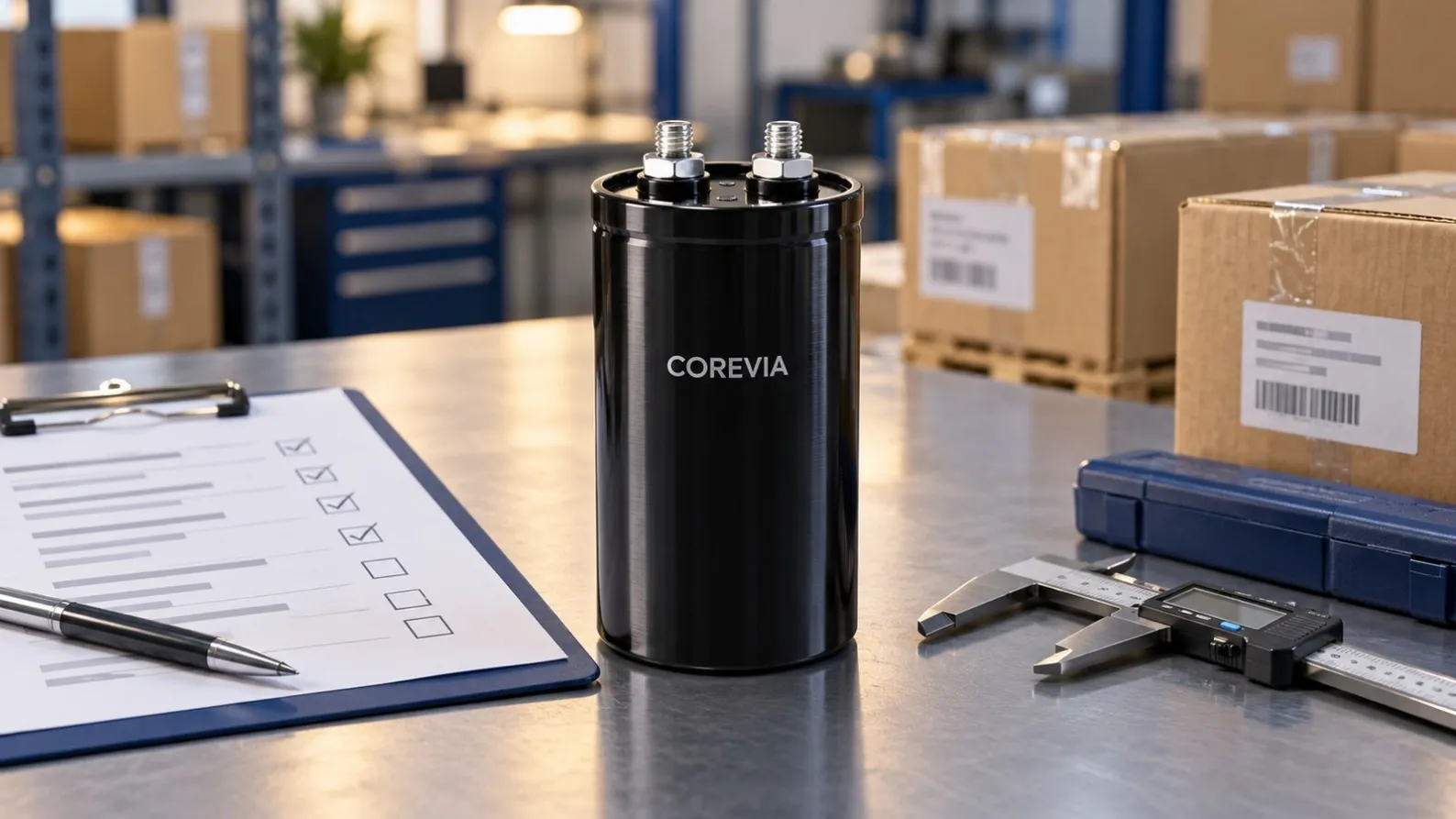
Define the pass criteria before the samples arrive: which parameters, which limits, measured under which conditions. Then keep an open-issues list during the trial — and judge the supplier by how the list gets closed. "We will look into it and answer by Friday" with a real answer is a good sign. Silence, or a sales brochure where a measurement should be, is not. Unresolved items belong in the approval record, not in someone's memory.
Supplier Qualification FAQ
Does it matter whether the supplier is a manufacturer or a trader?
Both models can work. What matters is knowing who controls the production process and who answers when something goes wrong — and getting the same answer from every document the supplier gives you.
The supplier won't share test reports. Is that a deal-breaker?
For industrial OEM qualification, effectively yes. You are being asked to put an unproven part into equipment with your name on it; the evidence is the minimum price of entry.
Do we need an on-site audit before approval?
It depends on your quality system and the criticality of the application. Document-based qualification plus sample testing is the baseline; audits add value on top of that, not instead of it.
How long does qualification take?
Timing depends on the exact series, document requirements and the OEM’s own application tests. Confirm the sample and production schedule for the proposed order.
What commercial terms should be agreed during qualification?
The same frame that will govern the orders: FOB terms, quotation validity, the deposit-based production schedule, and the minimum order quantities described in MOQ and volume pricing.
Building a supplier shortlist for a specific application? Send us the electrical requirement, the application conditions and your qualification document list — we will confirm what we can supply and start the sample line described in our lead-time rules.