Oct 14, 2026Reliability Engineering
VFD Input Phase Loss: What It Means for DC-Link Capacitors
A VFD can keep running after an input phase problem. Learn why the DC bus may ripple and what to check before replacing its aluminum electrolytic capacitors.
VFD Input Phase Loss: What It Means for DC-Link Capacitors
A variable frequency drive may still turn the motor when one incoming phase is missing or badly unbalanced. That does not mean the DC link is operating normally. For a maintenance team, the useful question is: what happened to the bus voltage while the drive carried its real load?
Why the DC Bus Changes
The input rectifier feeds the DC link, and the capacitor bank helps smooth its voltage. When a supply phase is missing, the rectifier receives a more uneven input. The DC-bus voltage can oscillate more than it does with a healthy three-phase supply. A drive may report an input-phase-loss fault, a DC-bus fault, or both, depending on the model and operating conditions.
This is a reason to inspect the capacitor bank, but it is not proof that a capacitor has failed. First establish when the input problem began and whether the drive continued to run under load.
What to Check Before Ordering Capacitors
Start with the supply. Check all three input voltages under the operating condition that produced the fault, then inspect input fuses, terminals and the upstream supply. Read the drive's alarm history. A blown fuse or loose connection can look like a capacitor issue when the bus becomes unstable.
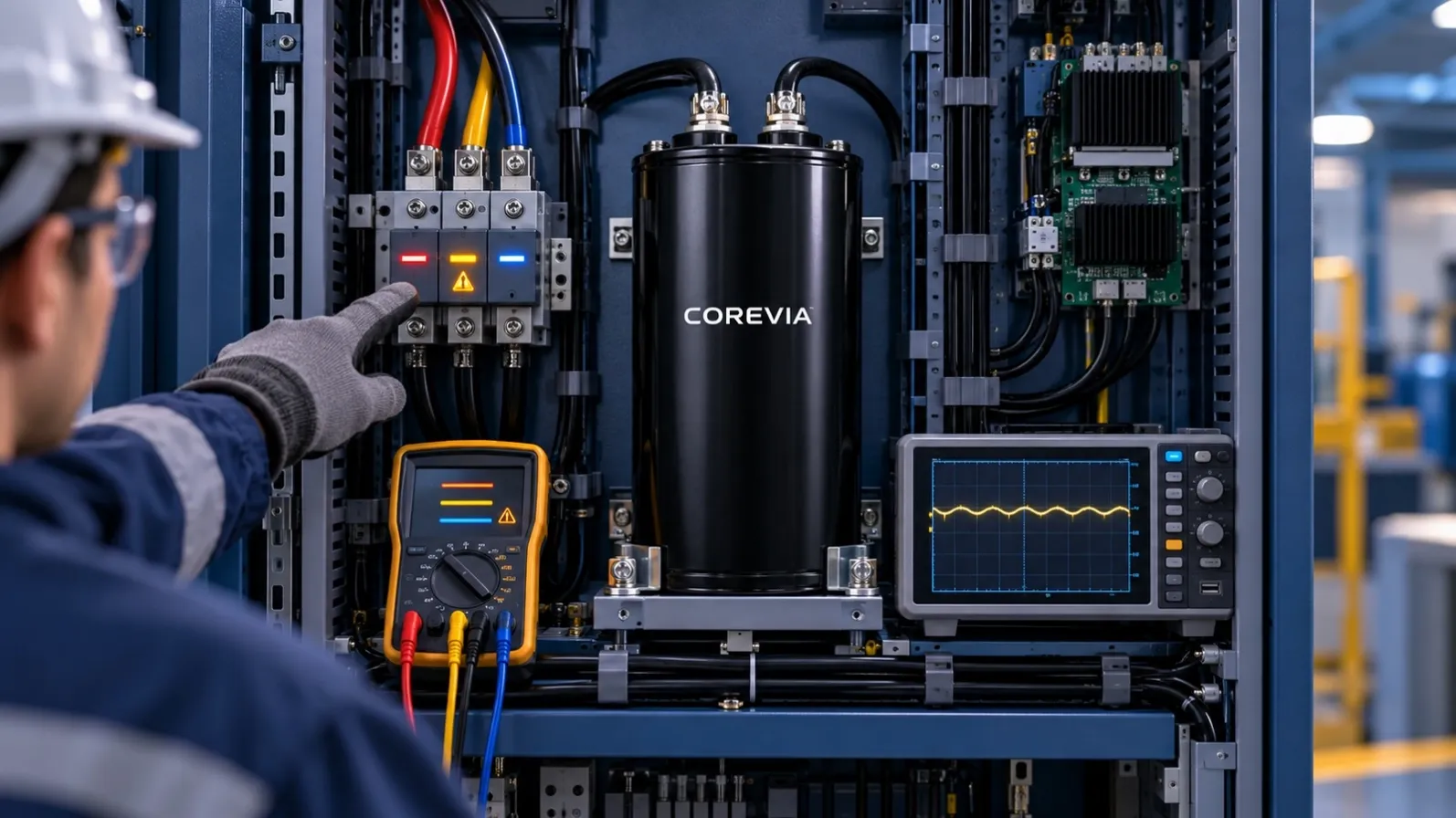
Next, use the drive's diagnostic data or an appropriate isolated measurement method to review DC-bus behavior. A single average DC-voltage reading can hide repeated dips. Compare the waveform and alarms with normal three-phase operation and with the manufacturer's drive limits. Only qualified personnel should measure inside energized equipment; follow the drive's service procedure and confirm the DC link is discharged before handling components.
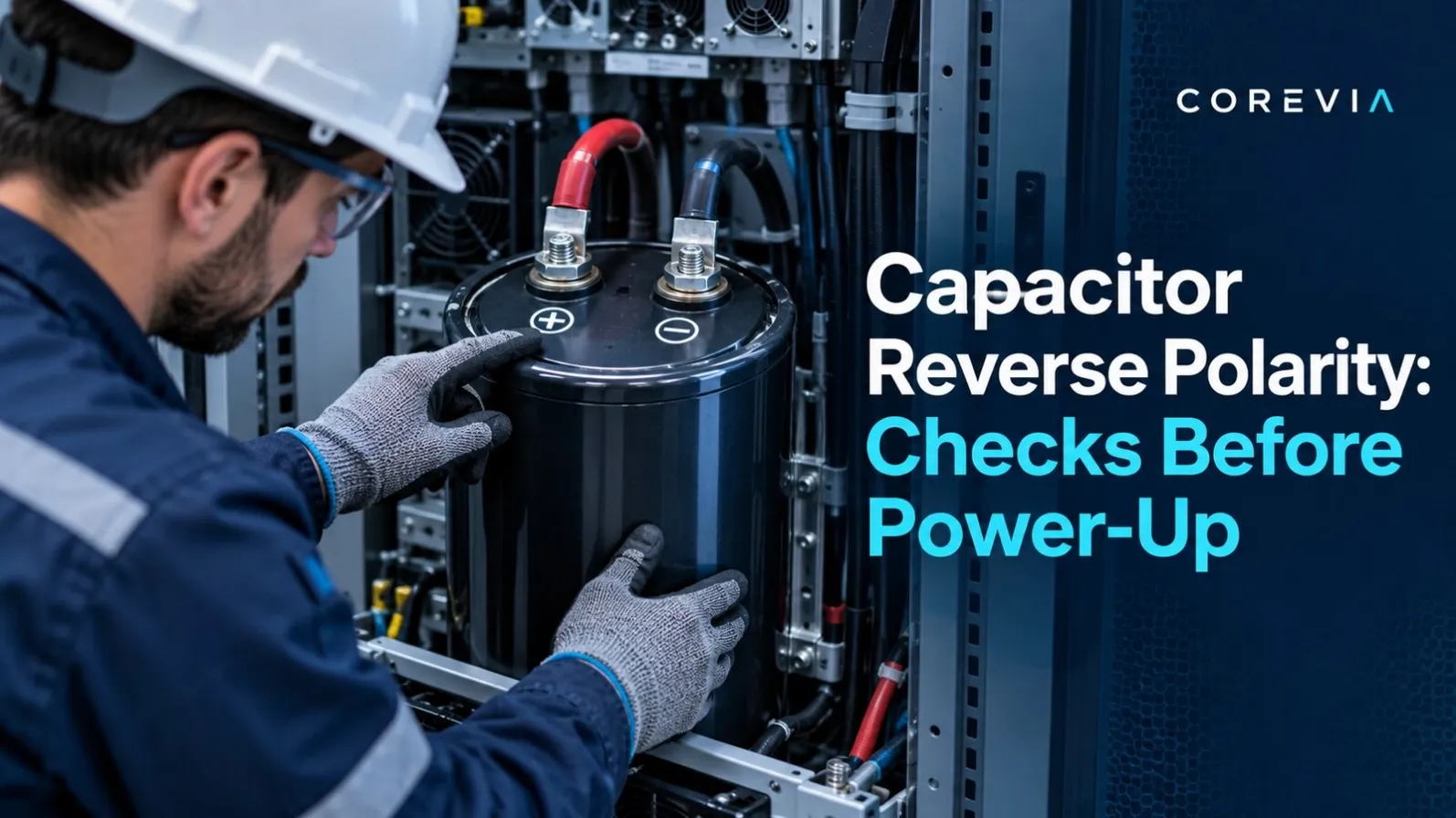
If the drive has run for some time with a missing phase, inspect the capacitor bank after correcting the supply fault. Look for leakage, deformation, loose connections and unusual temperature patterns. Where the service procedure permits, check the relevant capacitance and electrical condition against the exact capacitor series and maintenance criteria. Replace parts based on evidence, not simply because the drive logged a phase-loss alarm.
A Practical Field Example
A pump drive trips intermittently on busy afternoons but starts normally in the morning. A technician sees a DC-bus alarm and suspects the electrolytic capacitors. A better first step is to check the three input phases while the pump is loaded. If one input fuse or connection opens as it warms, the bus disturbance may be a symptom of the supply problem. Repair the input fault, then verify bus behavior and review whether the capacitor bank suffered any damage.
Information to Send for Technical Review
Share the drive model, input voltage measurements under load, fault log, load conditions, DC-bus data, capacitor model, service hours and clear installation photos. Those details help separate an input supply fault from a capacitor problem and support a suitable replacement decision if one is needed.
COREVIA — Industrial Aluminum Electrolytic Capacitor Solutions
WhatsApp: +86 137 7126 2062