Can You Mix Capacitor Date Codes in a New DC-Link Bank?
For a new DC-link bank, matching part numbers and a common production date code simplify qualification. If lots differ, document the parts and verify the complete assembly.
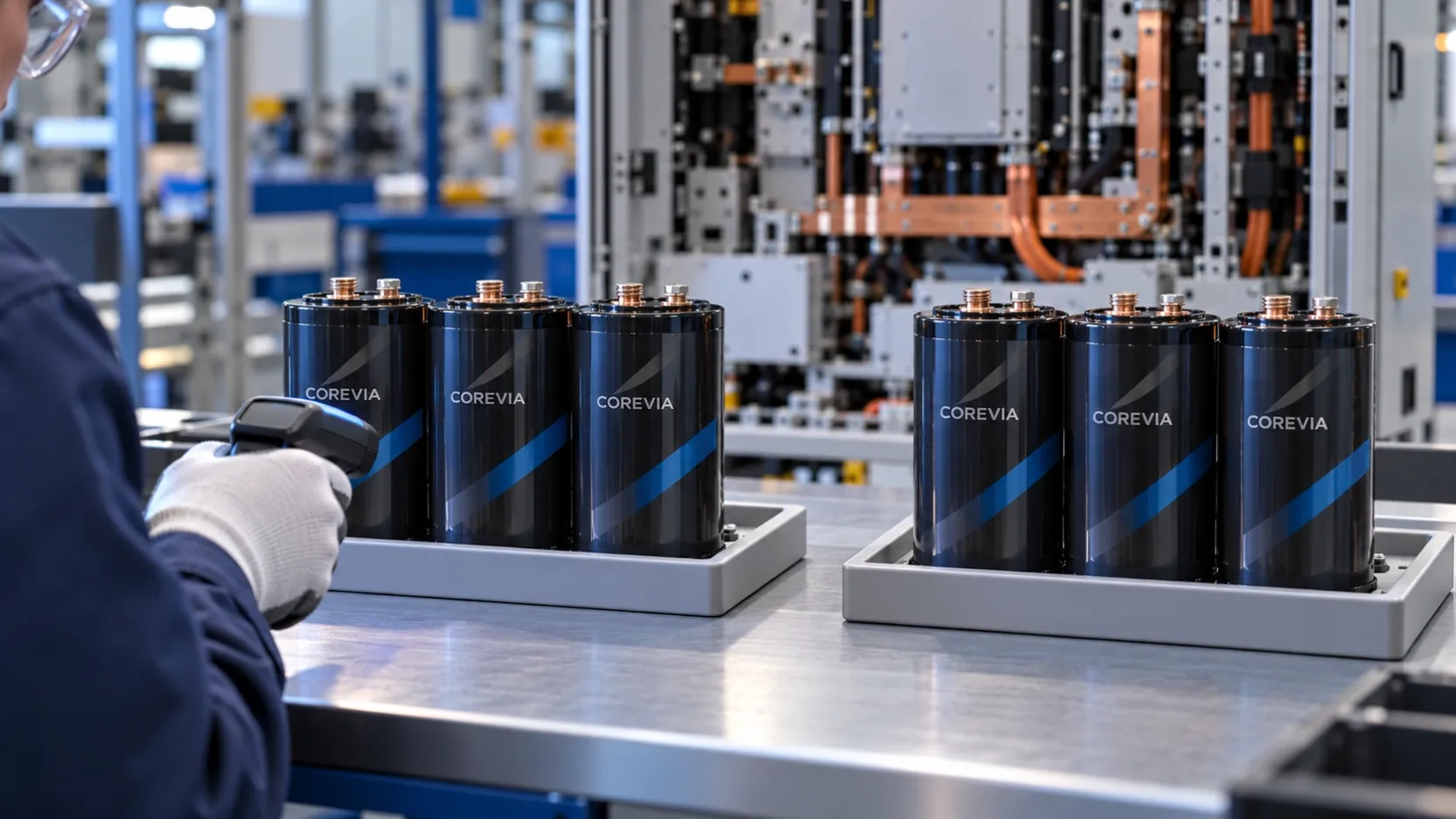
For a newly built DC-link capacitor bank, prefer identical approved part numbers from a common production date code when practical. A different date code does not automatically make a bank unusable, but matching the printed voltage and capacitance is not enough to approve mixing. Confirm the exact COREVIA part identity, storage history, lot traceability and electrical and thermal behavior of the assembled bank before release. Ask COREVIA to review the proposed mix rather than assuming a universal date-code rule.
This is a build-planning question, not the same decision as replacing one failed capacitor in an aged bank. In a new bank, the buyer can still control what enters the assembly, document each lot and set an acceptance plan before equipment ships.
Why does a date-code difference matter in a new bank?
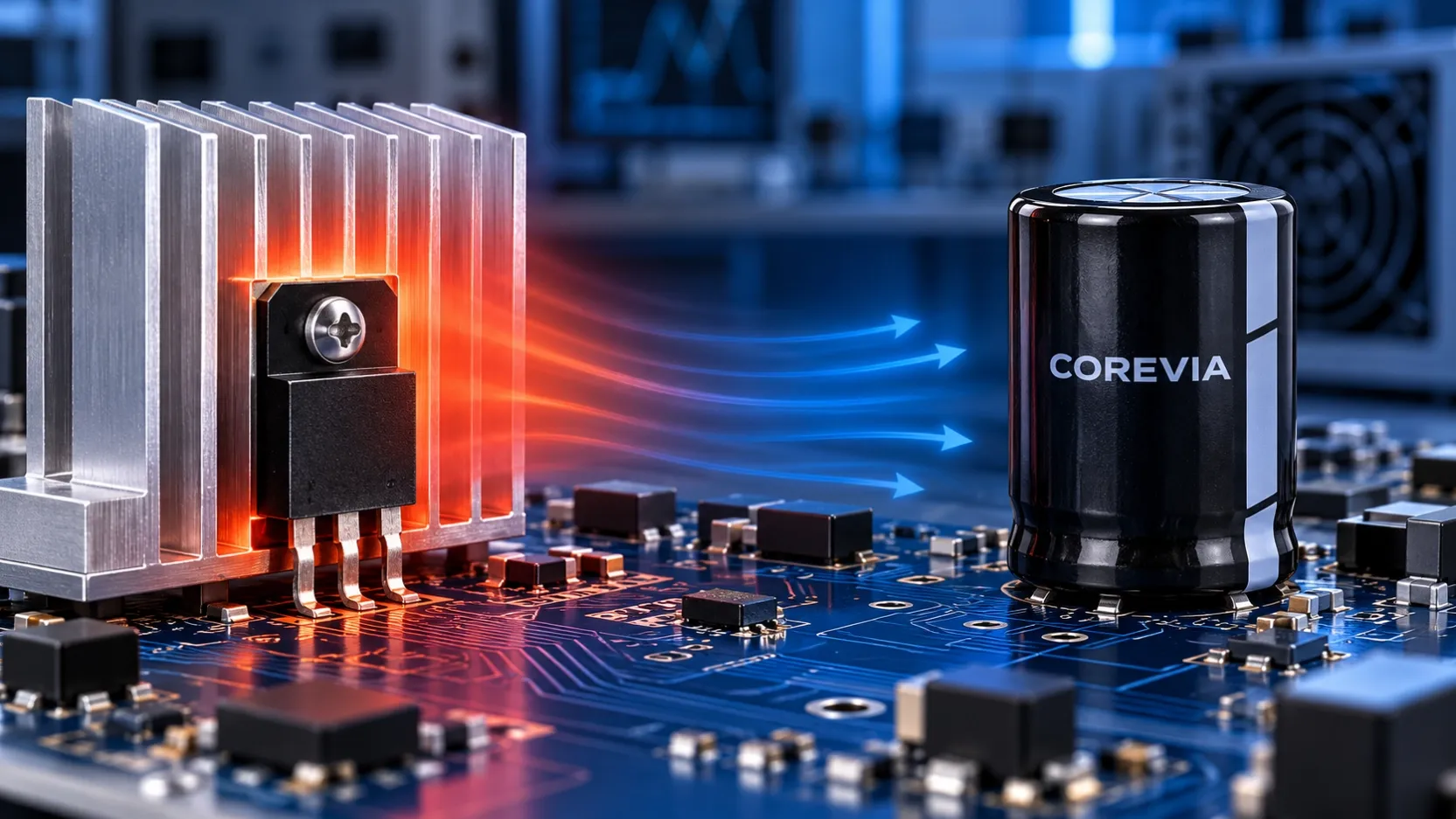
A date code helps identify when a component was produced. It does not directly state its remaining life or prove that two parts are electrically identical at every operating point. Even parts with the same nominal ratings can differ within their permitted tolerances, while storage time and conditions may differ between lots. The installed bank also exposes individual capacitors to differences in current, cooling and physical position.
For parallel branches, a total bank capacitance reading can conceal uneven branch behavior. For series strings, voltage sharing needs its own design review. The procurement decision should therefore be based on the exact circuit and part documents, not on a date-code comparison alone. If a design calls for matched lots, record that requirement in the purchase and build documents before substitution is proposed.
What should an OEM verify before accepting mixed lots?
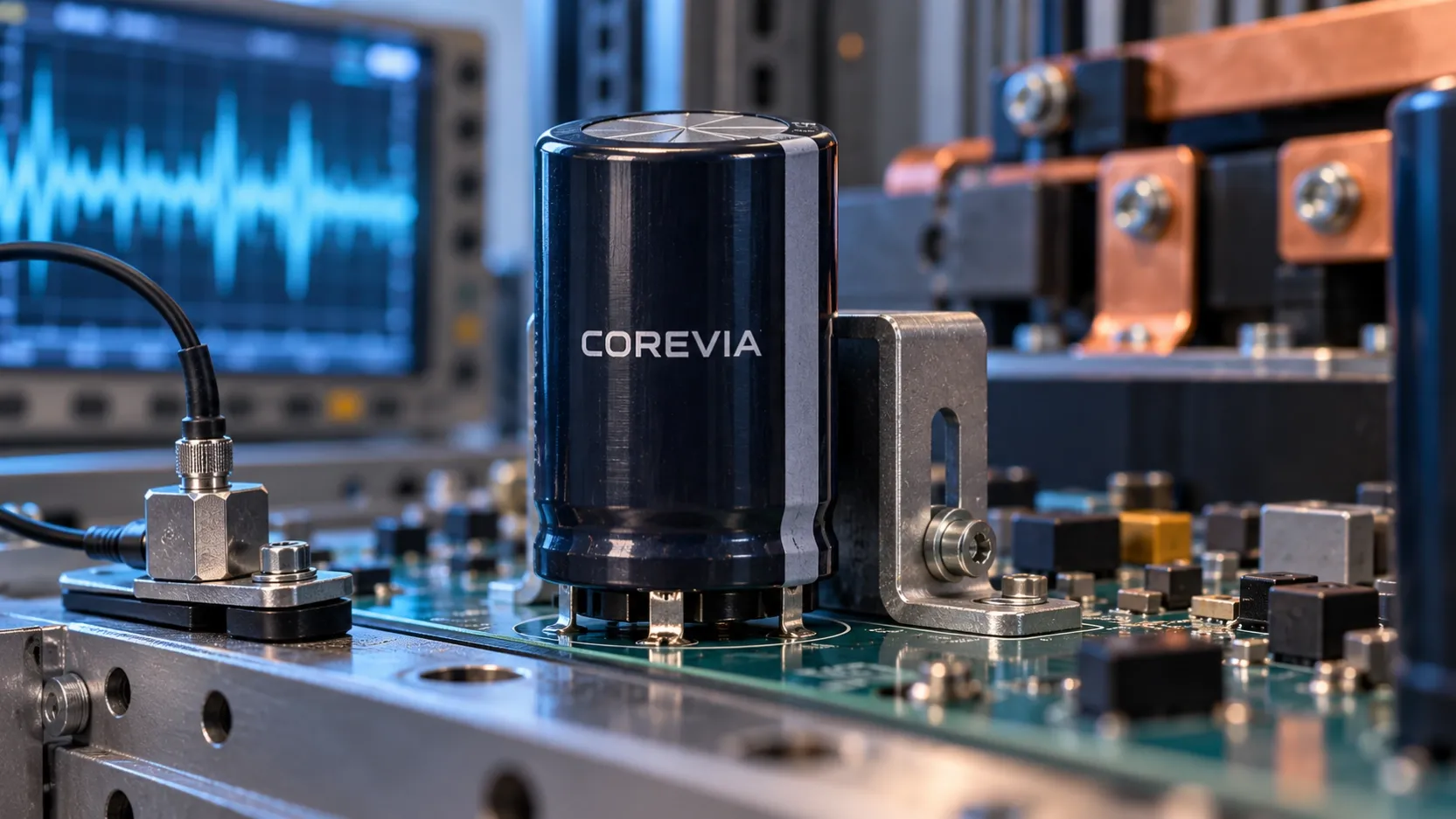
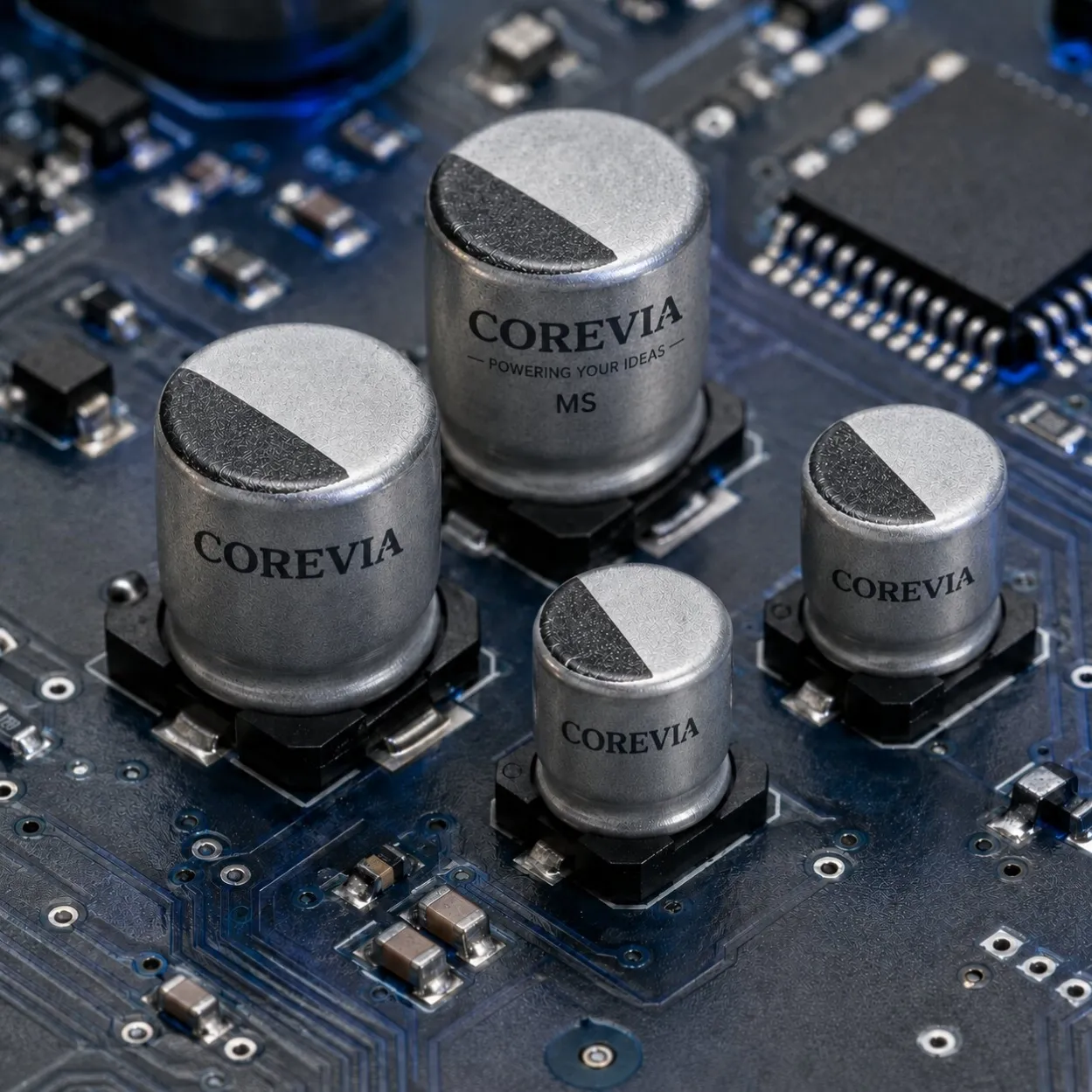
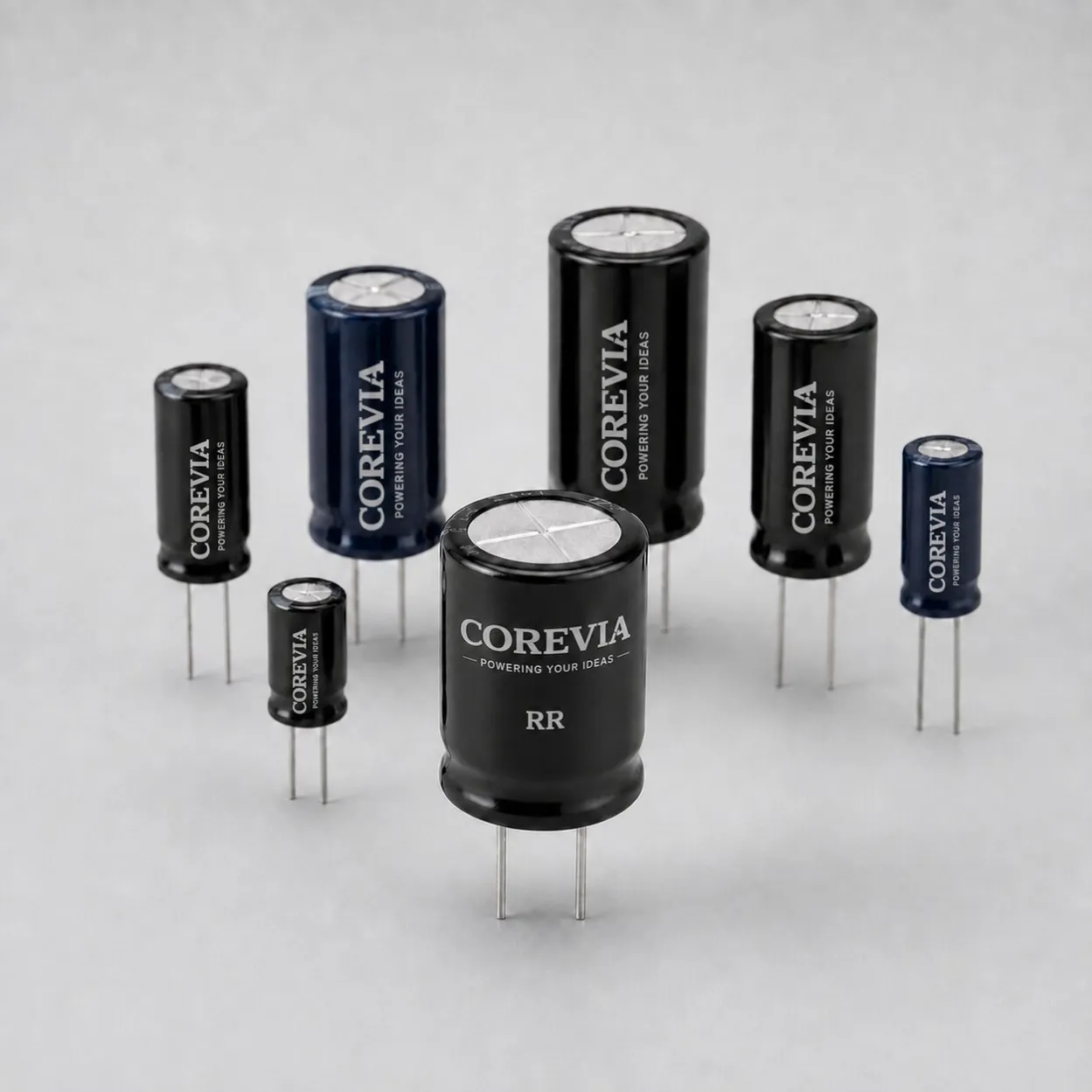
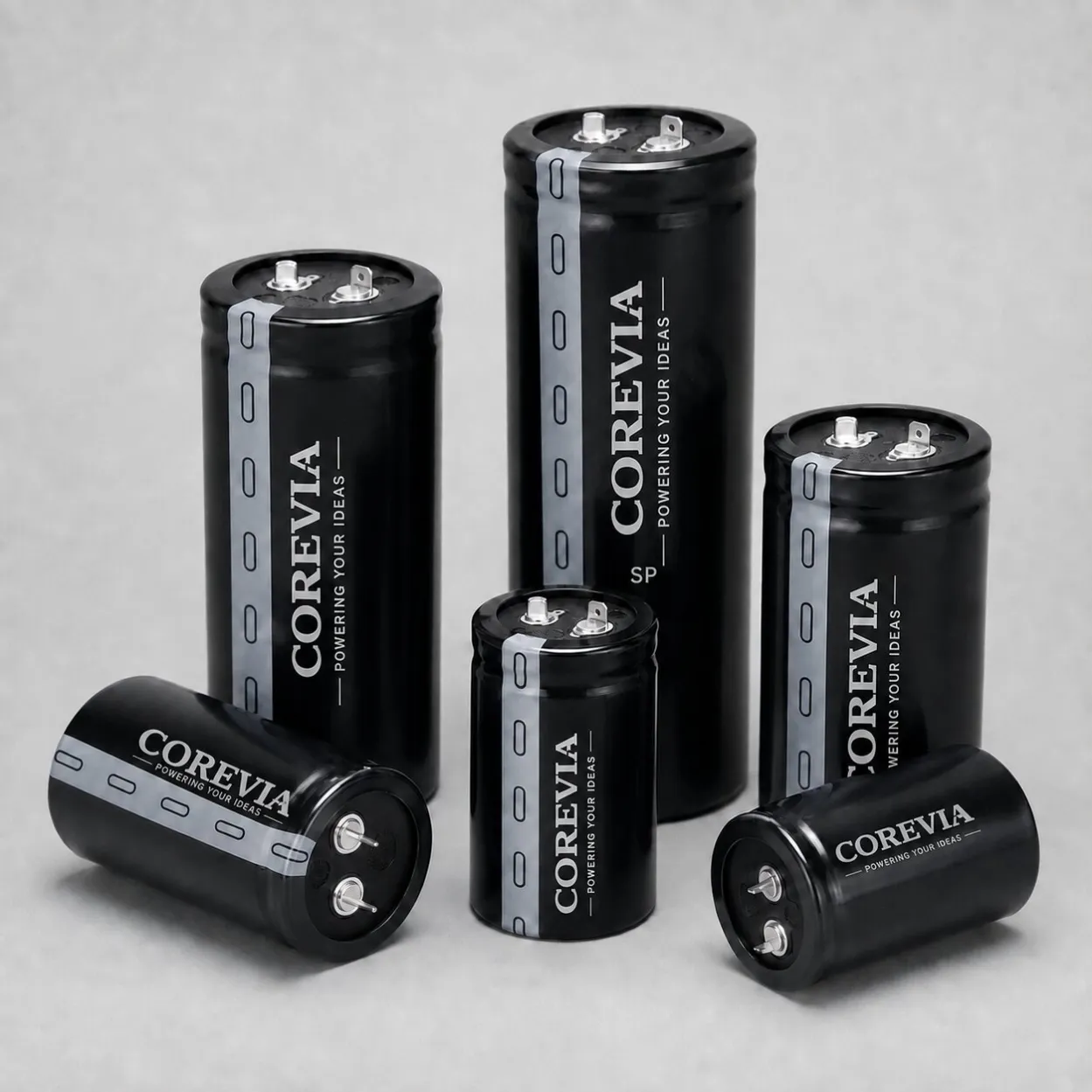
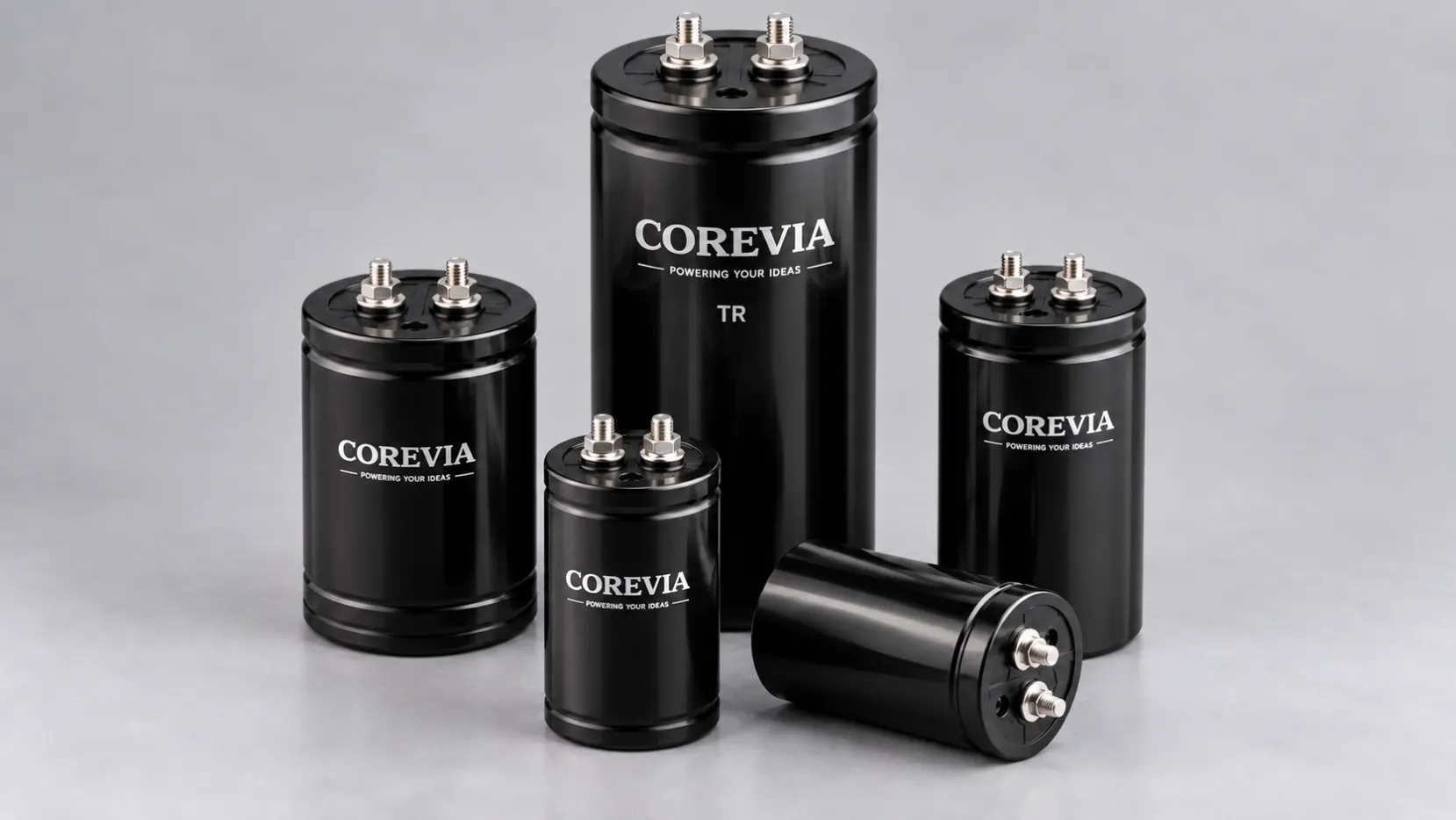
Start with a controlled bill of materials. COREVIA's screw-terminal capacitor range and snap-in capacitor range include different series and mounting styles. A family name or matching case size does not establish interchangeability. Compare the complete approved part number and its current specification, then trace each proposed unit to the received lot.
| Check | Evidence to keep | Why it matters |
|---|---|---|
| Part identity | Full COREVIA part number, drawing and revision | Prevents mixing different series or mechanical versions |
| Lot traceability | Date and lot codes mapped to each bank position | Enables later investigation and controlled replacement |
| Storage condition | Receipt date, packaging and storage record | Flags units needing a first-use review |
| Electrical limits | Exact voltage, capacitance, tolerance, ripple, temperature and endurance specifications | Confirms the bank still meets the design requirements |
| Bank layout | Series or parallel topology, busbar or PCB connections and cooling position | Identifies unequal electrical or thermal stress |
| Acceptance results | Defined incoming checks and assembled-system measurements | Shows that the proposed build performs as intended |
If the lots came from different storage histories, ask whether the exact series requires any additional first-use assessment. Use a documented method suited to the part and circuit. Do not infer a COREVIA qualification limit from another manufacturer's data, and do not claim that a single capacitance or ESR measurement certifies an entire bank.
How should a mixed-lot build be released?
Record the proposed mix as a controlled deviation from the preferred build plan. The review should name the part numbers, quantities, date codes, physical positions and reason for the change. Have engineering compare the assembled bank against the original design requirements and identify which measurements are needed at the relevant operating load and local temperature. The COREVIA inverter application page gives the equipment context; the exact part specification and bank design govern the decision.
If the bank is in parallel, check how current and temperature are distributed where measurements are feasible. If it contains series-connected sections, verify the intended voltage-sharing scheme. Keep the approved lot map with the production record so maintenance teams can identify what was installed. If the evidence is incomplete, hold the substitution and request a common-lot supply plan or an application-specific review.
FAQ
Do the same capacitance and voltage markings make two lots interchangeable?
No. Confirm the full part number, series specification, mechanical fit, storage condition and bank-level operating requirements. Printed nominal values are only part of the comparison.
Does a newer date code always mean a better capacitor?
No. A date code is traceability information, not a performance grade. Compare the parts against their specifications and documented storage and acceptance conditions.
Can an overall bank test replace lot-by-lot records?
No. A bank-level result can miss an uneven branch or a traceability gap. Keep the lot-to-position record and define checks for the actual topology.
Preparing a mixed-lot DC-link build? Contact COREVIA with the complete part numbers, date codes, bank diagram, storage history and intended operating conditions for a part-specific review before production release.