Aug 29, 2026Application Guides
How to Select DC-Link Capacitors for UPS and Inverter Applications
A practical guide to selecting DC-link aluminum electrolytic capacitors for UPS and inverter systems using voltage, ripple current, ESR, temperature and mounting.
How to Select DC-Link Capacitors for UPS and Inverter Applications
DC-link aluminum electrolytic capacitors are critical components in UPS systems, frequency inverters and industrial power converters. They smooth the DC bus, store energy and absorb ripple current created by switching devices. A capacitor that matches only the rated voltage and capacitance may still overheat or fail early if ripple current, temperature, ESR and mechanical conditions are not considered.
Start with the Real DC-Bus Voltage
The selected rated voltage must provide appropriate margin above the maximum continuous DC-bus voltage, including line variation, regeneration and transient conditions. The required margin depends on the circuit, control strategy and protection design. Do not select a replacement only from the nominal input voltage.
Check Capacitance and Energy Requirements
Capacitance affects DC-bus ripple, hold-up performance and transient response. In a UPS, the capacitor bank may need to support short energy-transfer intervals. In an inverter, capacitance must also help stabilize the bus while the load and switching pattern change.
A replacement should match the required capacitance range while also fitting the original circuit's charging current, discharge behavior and control assumptions. Higher capacitance is not automatically better because it can increase inrush current and mechanical size.
Calculate Actual Ripple Current
Ripple current is one of the most important life-limiting parameters in DC-link applications. Current flowing through the capacitor's ESR produces internal heat. The application should be reviewed using actual RMS ripple current, dominant frequencies and the capacitor's frequency correction data.
Compare the calculated or measured ripple current with the capacitor rating at the real operating temperature. When several capacitors operate in parallel, consider current sharing, busbar symmetry and tolerance between units.
Review ESR, Impedance and Frequency
ESR determines part of the internal power loss. Use ESR or impedance data at the switching and harmonic frequencies that matter in the real converter. A value measured at a single reference frequency may not describe performance across the full load profile.
Lower ESR can reduce heating, but the complete design must also consider capacitance, ripple-current rating, case size, terminal configuration and endurance.
Evaluate Ambient and Hotspot Temperature
Capacitor life is strongly affected by core temperature. Review enclosure temperature, cooling airflow, distance from heat sinks and power semiconductors, installation orientation and the temperature rise caused by ripple current.
Measure temperature close to the capacitor under realistic load whenever possible. A system that passes a short bench test may still experience excessive temperature during long-duration operation, high ambient conditions or repeated overload cycles.
Choose the Correct Terminal Format
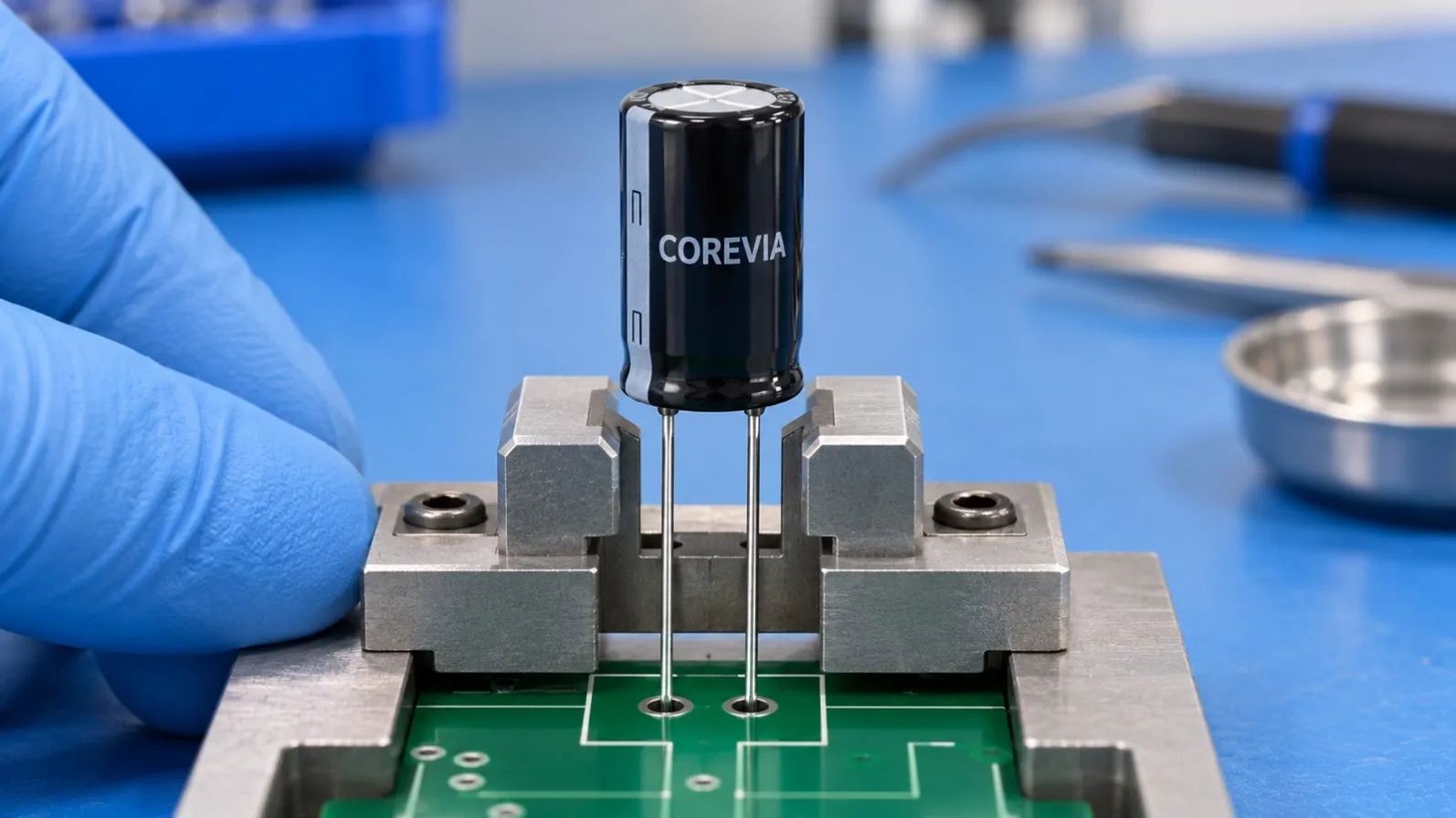
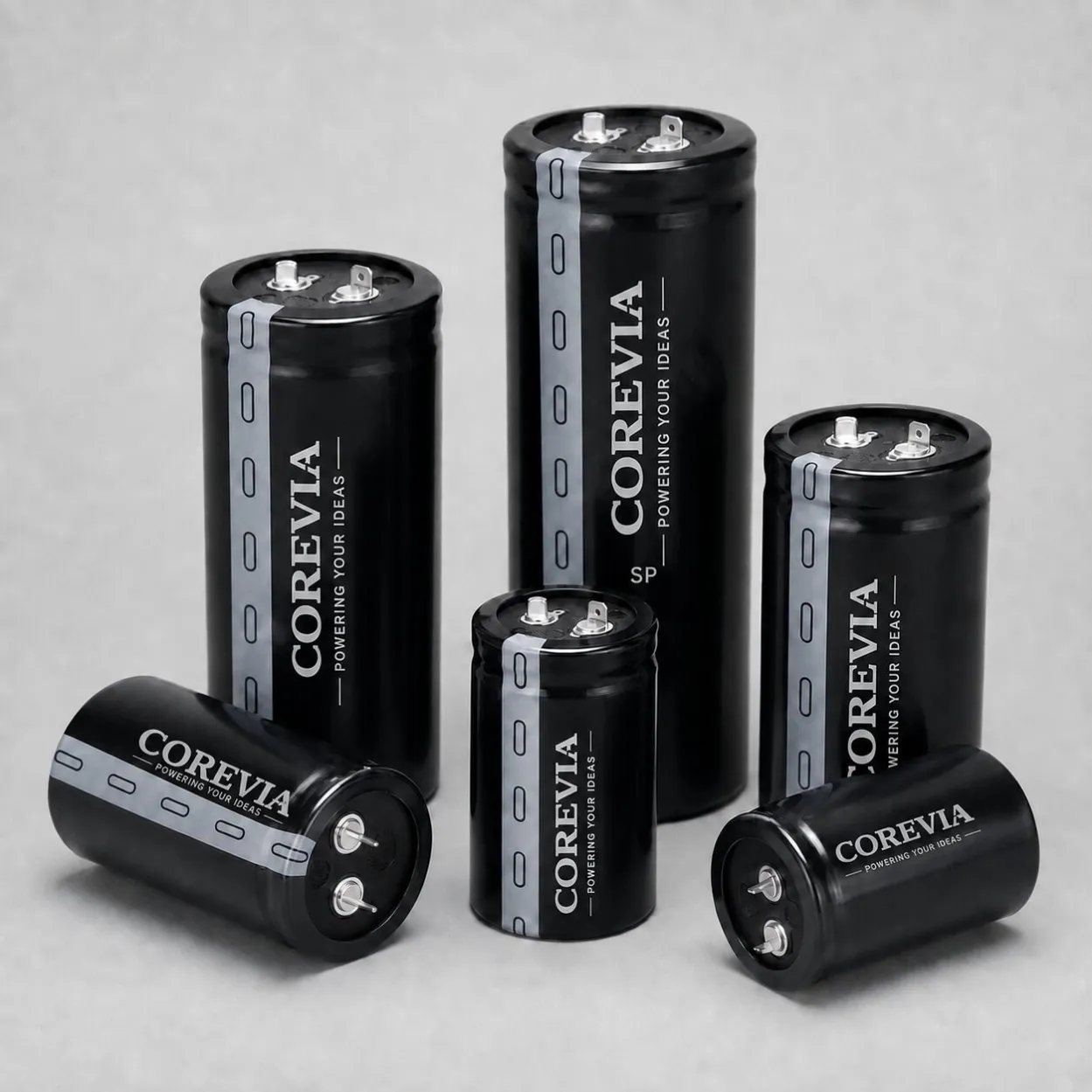
Snap-in aluminum electrolytic capacitors are commonly used for PCB-mounted DC-link sections where compact assembly and production efficiency matter. Explore the COREVIA snap-in family:
https://www.coreviacap.com/products/snap-in-terminal-aluminum-electrolytic-capacitors
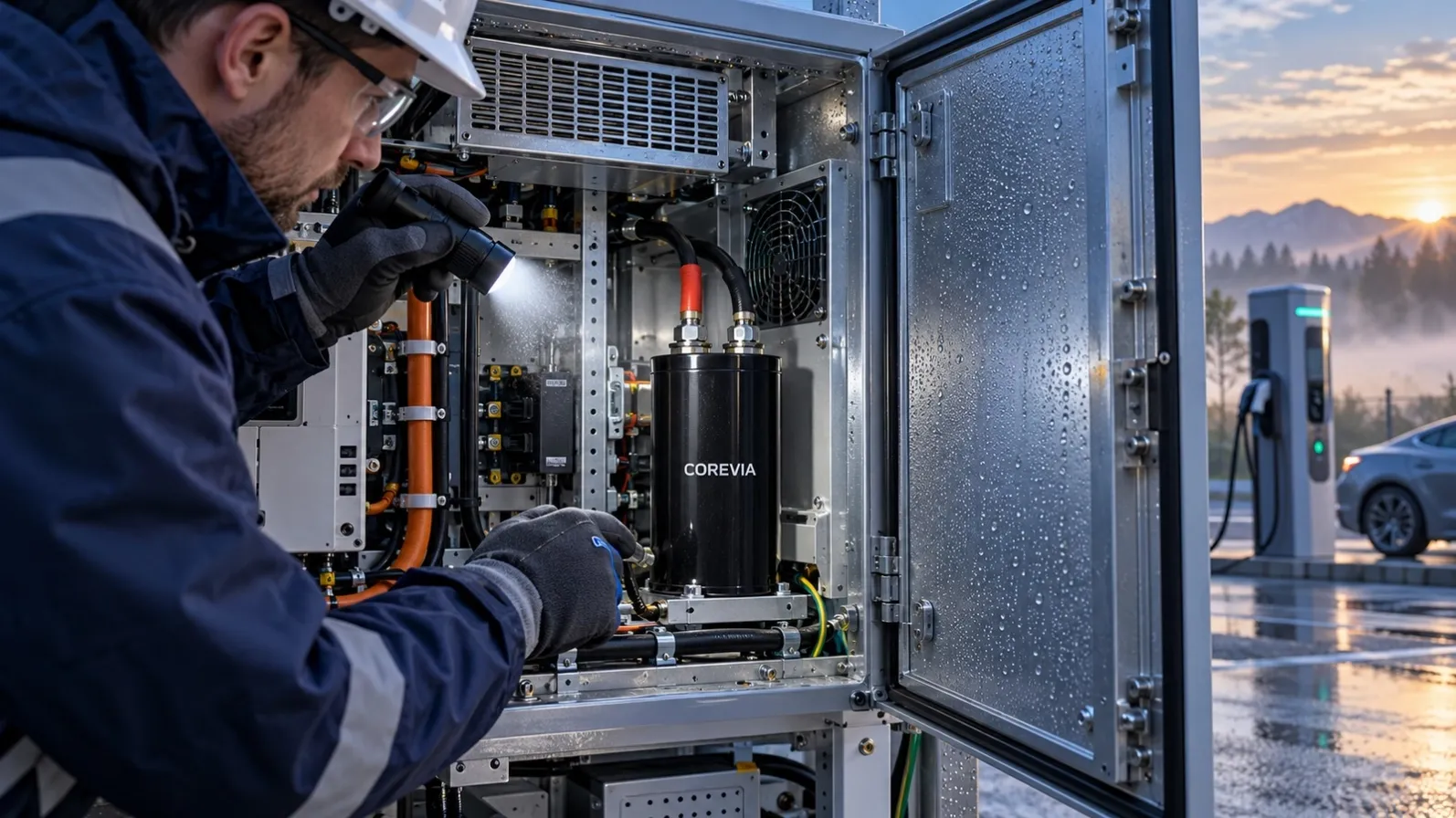
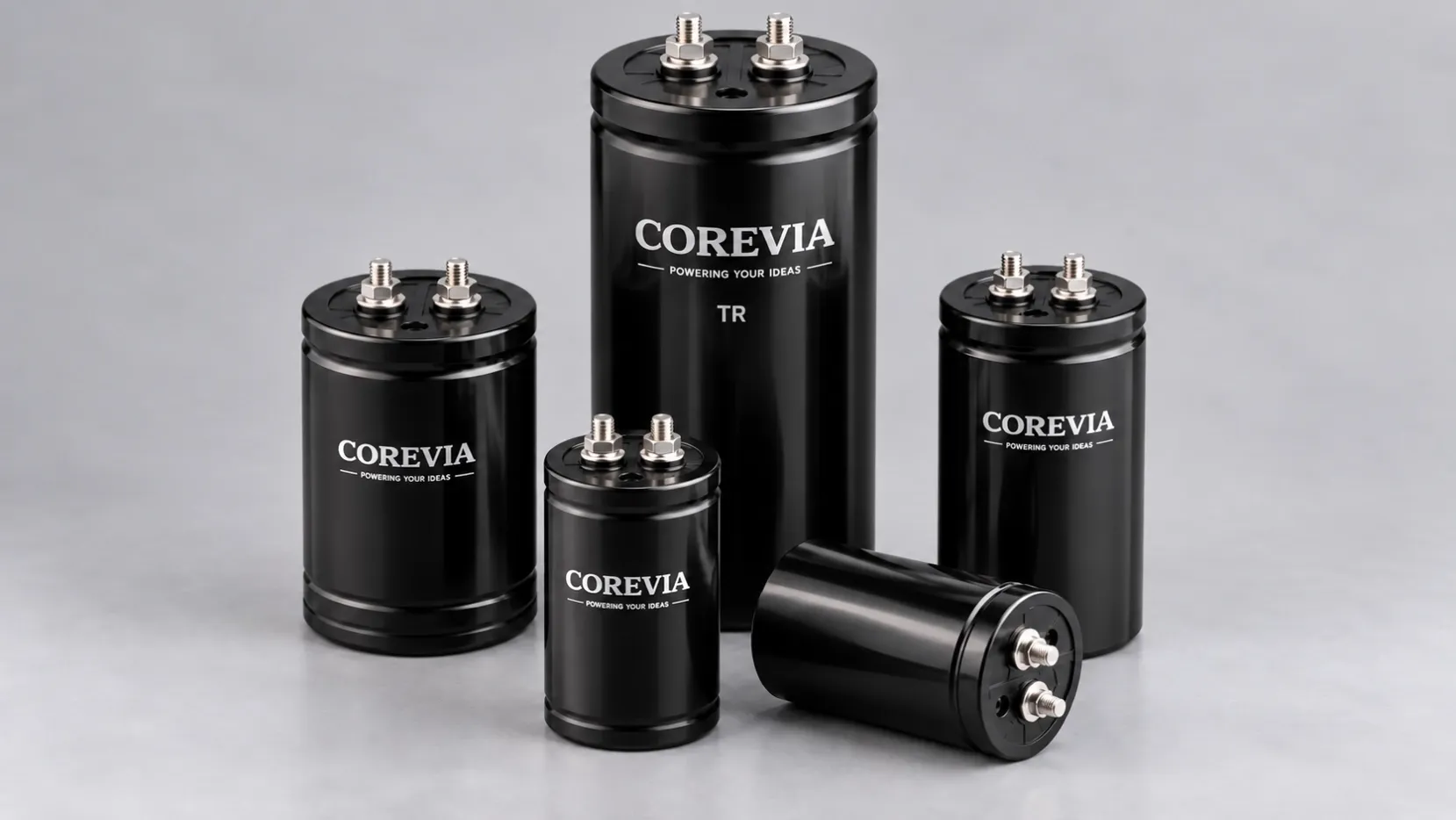
Screw terminal aluminum electrolytic capacitors are suited to higher-capacitance and high-ripple industrial systems with busbar or serviceable connections. Explore the COREVIA screw terminal family:
https://www.coreviacap.com/products/screw-terminal-aluminum-electrolytic-capacitors
The correct format depends on electrical stress, mounting method, case dimensions, vibration, serviceability and available cooling.
Confirm Mechanical Compatibility
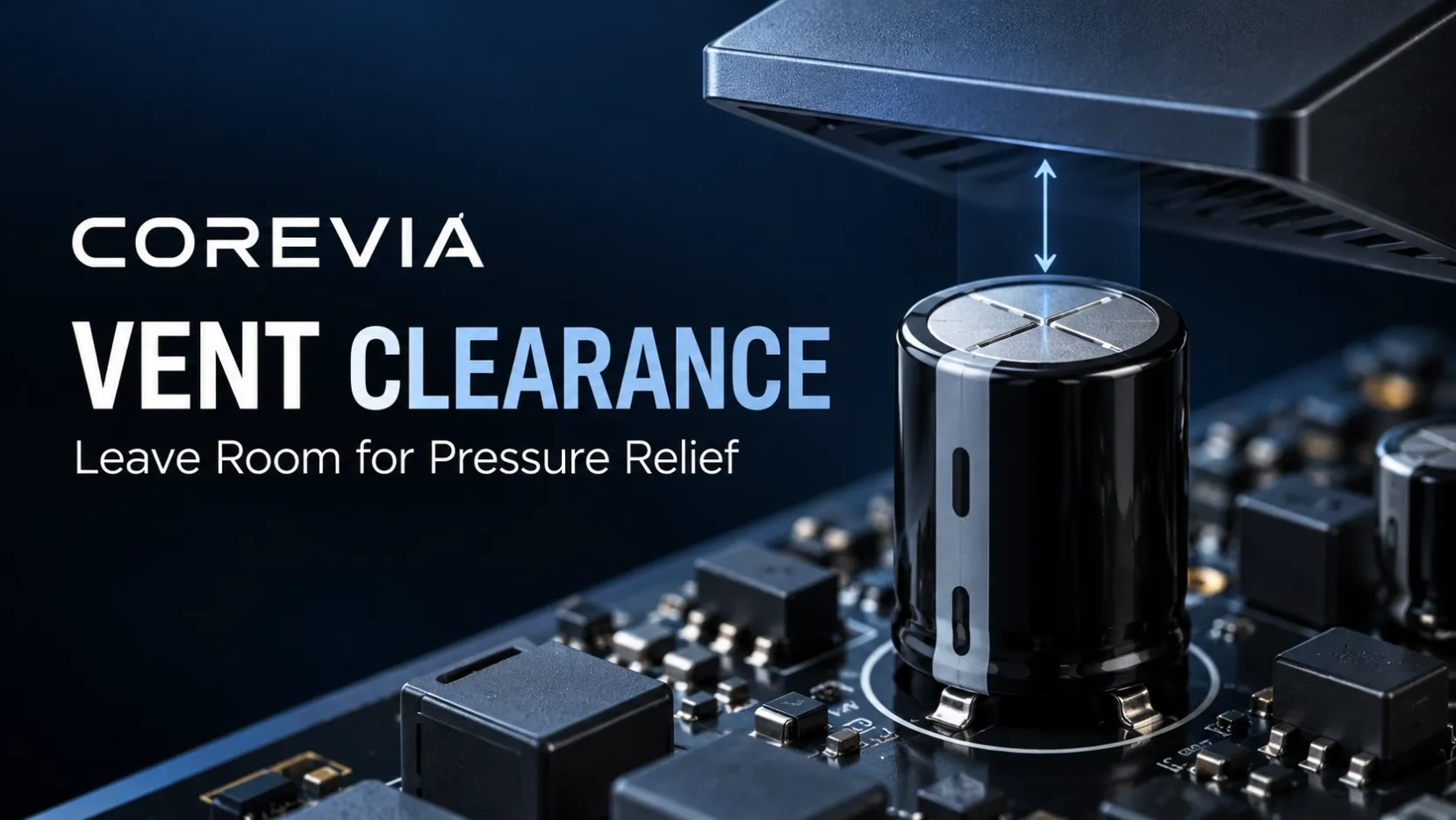
Check case diameter, case length, terminal spacing, polarity position, mounting hardware and clearances. For capacitor banks, verify busbar alignment and whether the mechanical design applies uneven stress to the terminals.
Define the Required Endurance
Datasheet endurance is specified under defined temperature, voltage and ripple-current conditions. It is not a direct promise of service life in every application. Estimate the real thermal stress and required operating hours, then select an endurance class with suitable margin.
Information Needed for a COREVIA Recommendation
Provide the following details for application review:
• DC-bus operating and maximum voltage
• Required capacitance and allowable tolerance
• Actual or estimated RMS ripple current
• Switching frequency and important harmonics
• Ambient or measured hotspot temperature
• Case dimensions and terminal configuration
• Cooling and installation conditions
• Expected annual operating hours and service-life target
• Quantity, original part number or datasheet
A reliable DC-link capacitor selection combines electrical, thermal and mechanical requirements. Reviewing the real operating profile before replacement can reduce overheating, bulging and unexpected downtime.
Send your UPS or inverter capacitor requirements to [email protected] or use the COREVIA technical inquiry form:
https://www.coreviacap.com/contact-us
COREVIA | Aluminum Electrolytic Capacitor Solutions