Reliability Engineering
Can You Use a COREVIA Screw-Terminal Capacitor After It Was Dropped?
A dropped COREVIA screw-terminal capacitor should be isolated from production. Record the fall, inspect the can, vent, seal and terminals, then request a part-specific disposition.
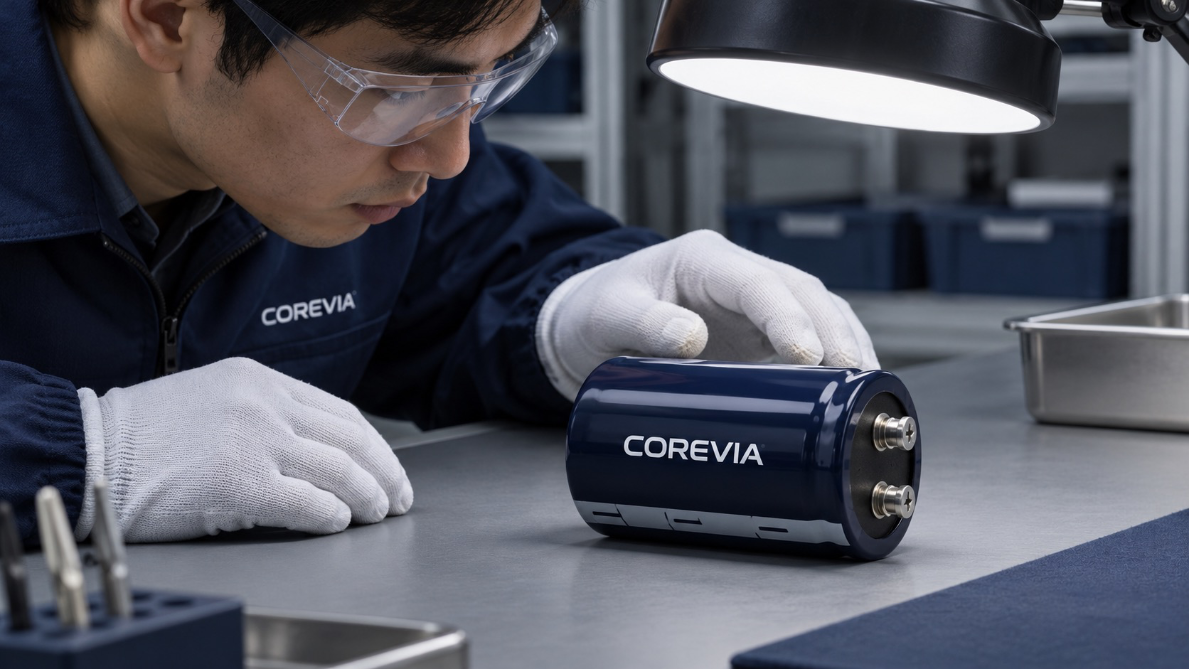
Do not return a dropped COREVIA screw-terminal capacitor directly to production. Isolate the unit, record how and where it fell, and inspect the case, pressure vent, seal and terminals. A clean appearance or a single electrical reading cannot prove that an impact left the part unaffected. Request a disposition for the exact part and event before use.
What should the incident record include?
Identify the full COREVIA part number, lot, serial or package trace if available, quantity involved and assembly stage. Record the estimated fall height, surface struck, orientation at impact and whether the part hit another object. Separate observed facts from assumptions. Photograph the capacitor on all sides before cleaning, bending or reworking anything.
This guidance applies to COREVIA screw-terminal capacitors; the exact mechanical drawing and agreed inspection criteria control any part-specific decision. Do not transfer a decision from a different series or package size.
Which areas need a careful visual inspection?
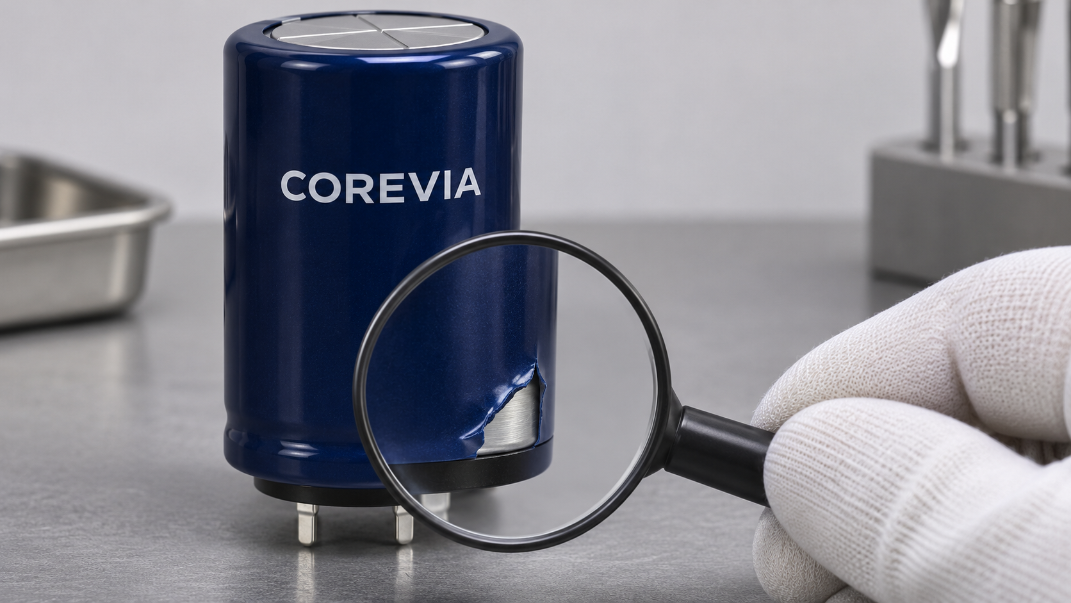
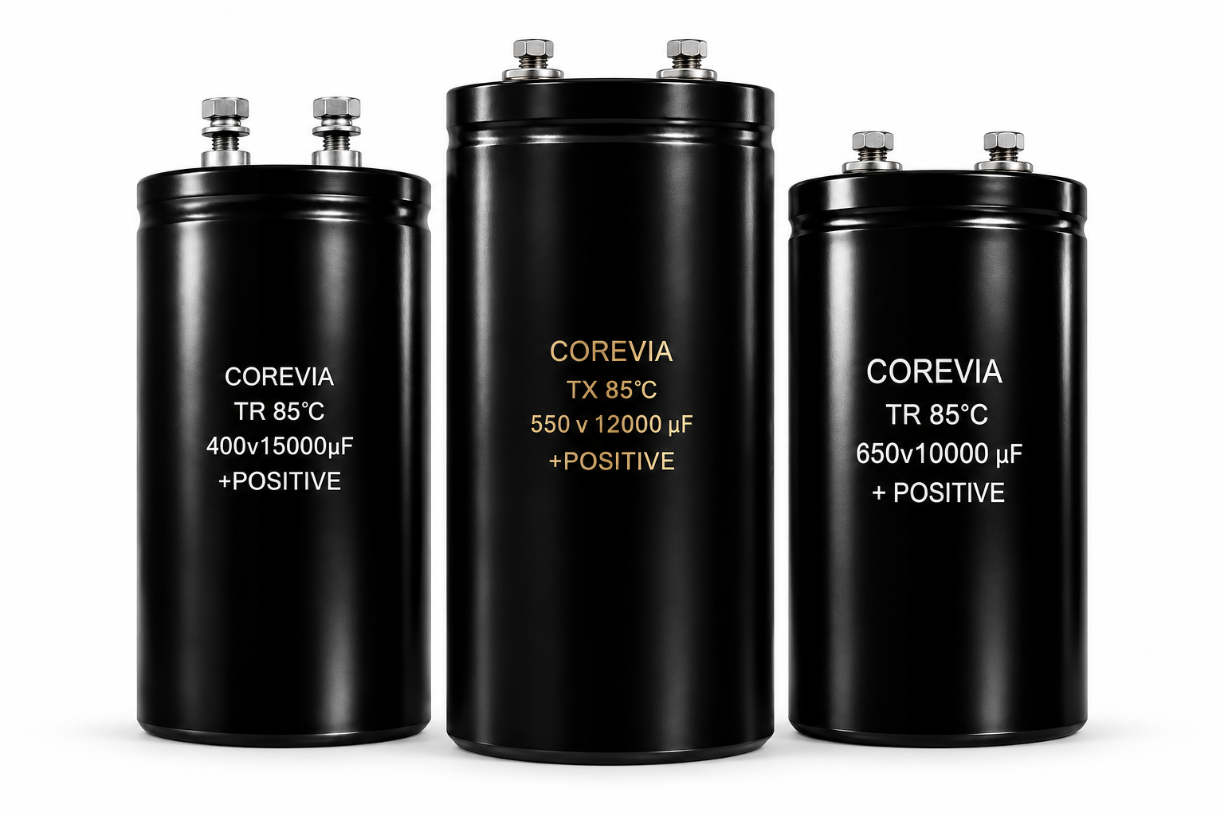
Check the can for dents, creases and leaks. Inspect the vent and base seal without pressing on them. Look for bent or loose terminals, damaged threads, cracked mounting hardware, torn sleeve or illegible polarity marking. Compare with an unaffected unit from the same shipment when possible. Do not use the terminals as handles while examining the part.
Finding | Immediate action | Evidence to retain |
|---|---|---|
Dent, leak, altered vent or seal | Keep isolated for engineering review | All-side photos with scale |
Bent, loose or marked terminal | Do not connect or straighten it | Terminal close-ups and impact description |
No visible damage | Maintain hold until disposition | Photos, event record and part identity |
Several parts affected | Identify and segregate the lot subset | Quantity, package and handling trace |
A recorded hold prevents the affected unit from being mixed with accepted stock. If packaging was involved, retain its condition and investigate whether other units were exposed to the same impact.
What can electrical testing establish?
A controlled test against the exact series requirements may reveal an out-of-limit electrical characteristic, but a passing reading alone does not establish mechanical integrity after a fall. Do not energize an unreviewed damaged part as a quick proof test. The quality team and COREVIA should decide whether inspection, testing or rejection is appropriate for the specific event.
Record the disposition and who approved it. If the same handling point repeatedly causes falls, correct the process and train operators before the next batch.
FAQ: dropped screw-terminal capacitors
Can a capacitor be used if no dent is visible?
Do not assume so. Maintain traceability and obtain a part-specific disposition because hidden damage cannot be ruled out by appearance alone.
Should a bent terminal be straightened?
Do not straighten it as a routine repair. Hold the unit and seek engineering review for the exact part.
Is one capacitance reading enough to release the part?
No. It checks only one electrical characteristic under one set of conditions and cannot establish impact-related mechanical integrity.
For a specific dropped-unit review, contact COREVIA with the part number, lot, incident details, photographs, quantity and any existing inspection record.