Sep 10, 2026
Why a Capacitor Sleeve Is Not a Complete Insulation System
A practical guide to case clearance, mounting clamps, insulating pads and creepage around aluminum electrolytic capacitors in high-voltage equipment.
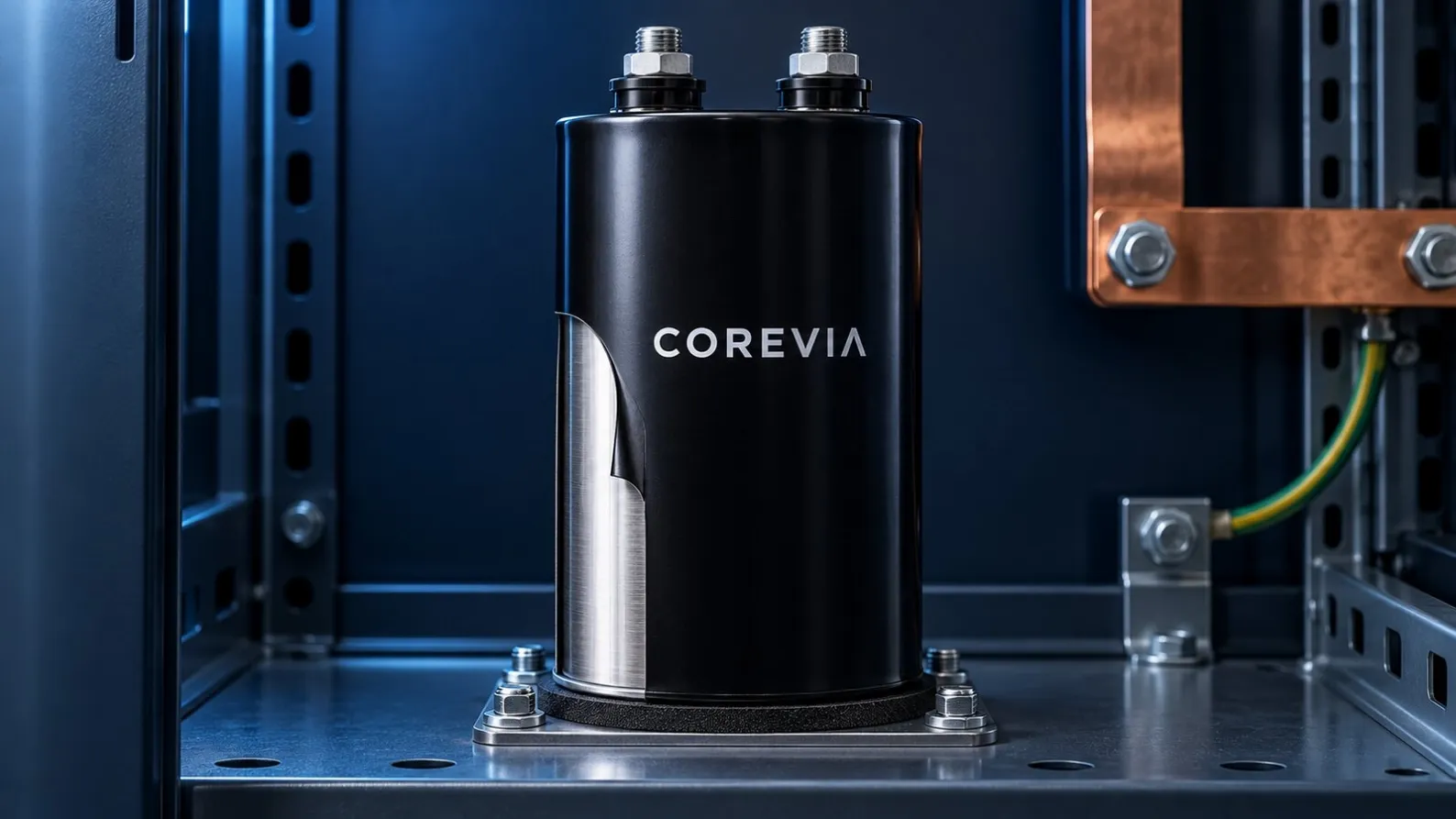
A black sleeve can make an aluminum electrolytic capacitor look fully insulated. In practice, it should not be treated as the equipment's complete insulation system.
For engineers working with UPS systems, inverters, industrial drives, energy-storage converters and other high-voltage power electronics, this is an important mechanical and electrical design detail.
What the outer sleeve actually does
The sleeve provides covering and protection against accidental contact. However, the metal case beneath it is not necessarily electrically isolated from the capacitor's internal elements. The sleeve can also deteriorate during operation because of heat, humidity, temperature cycling, mechanical stress or damage during assembly.
If electrical insulation is required, the installation needs additional measures appropriate to the working voltage and operating environment.
Where installation risks often appear
Several details deserve attention during design review:
• The capacitor case is positioned too close to a grounded chassis or another conductive component.
• A metal mounting clamp touches or damages the sleeve.
• Live PCB tracks or unprotected wiring run underneath the capacitor.
• The insulating pad, washer or boot is missing, incorrectly positioned or compressed.
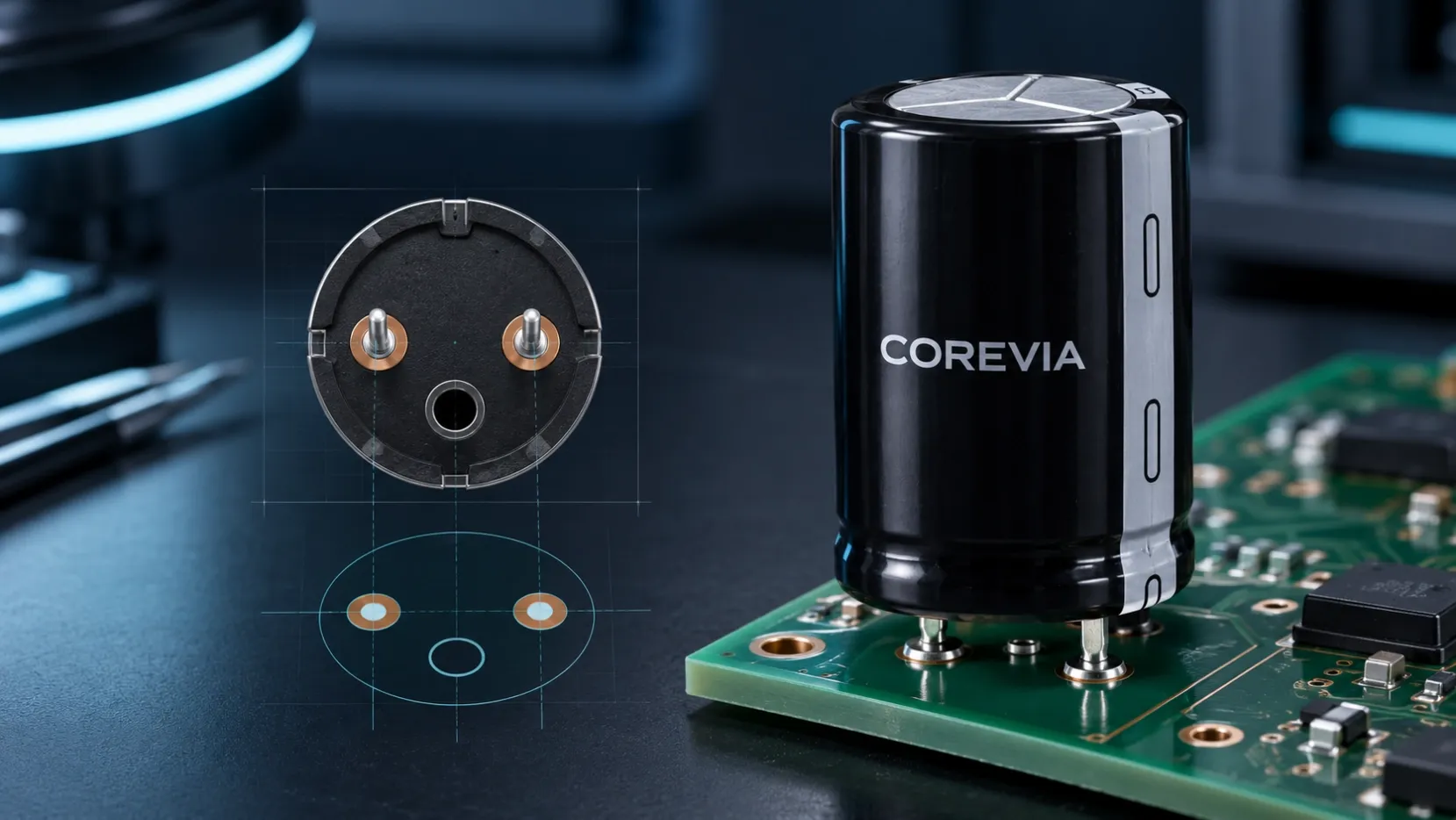
• Terminal creepage and clearance are reduced by the busbar layout.
• The sleeve is cut, scratched or pinched during assembly.
These issues may not be visible on the electrical schematic. They are usually found by reviewing the physical layout, mounting hardware and assembly process.
A practical design-review checklist
- Confirm case-to-chassis clearance
Review the distance between the capacitor body and nearby grounded or live metal. Do not apply one universal clearance value to every installation; the required distance depends on the working voltage, pollution degree, material group, equipment category and applicable safety standard.
- Review clamps and mounting hardware
A clamp must provide mechanical support without becoming an unintended electrical contact point. Check its material, position, edge condition and the possibility of movement under vibration.
- Use additional insulation where required
Depending on the design, this may include insulating pads, boots, washers, barriers or non-conductive mounting hardware. These parts should be specified as part of the equipment insulation system rather than treated as optional assembly aids.
- Protect the sleeve during production
Inspect for scratches, cuts and trapped metal debris after installation. Assembly tools, sharp bracket edges and excessive clamping pressure can damage an otherwise intact sleeve.
- Check the complete terminal area
Good insulation design includes the capacitor body, terminals, busbars, wiring and nearby structures. Creepage and clearance should be evaluated as a complete assembly.
Why this matters
A capacitor may be correctly selected for voltage, capacitance and current, yet still be installed in a way that creates an avoidable insulation risk. Reliable power-electronics design therefore requires both electrical component selection and careful mechanical integration.
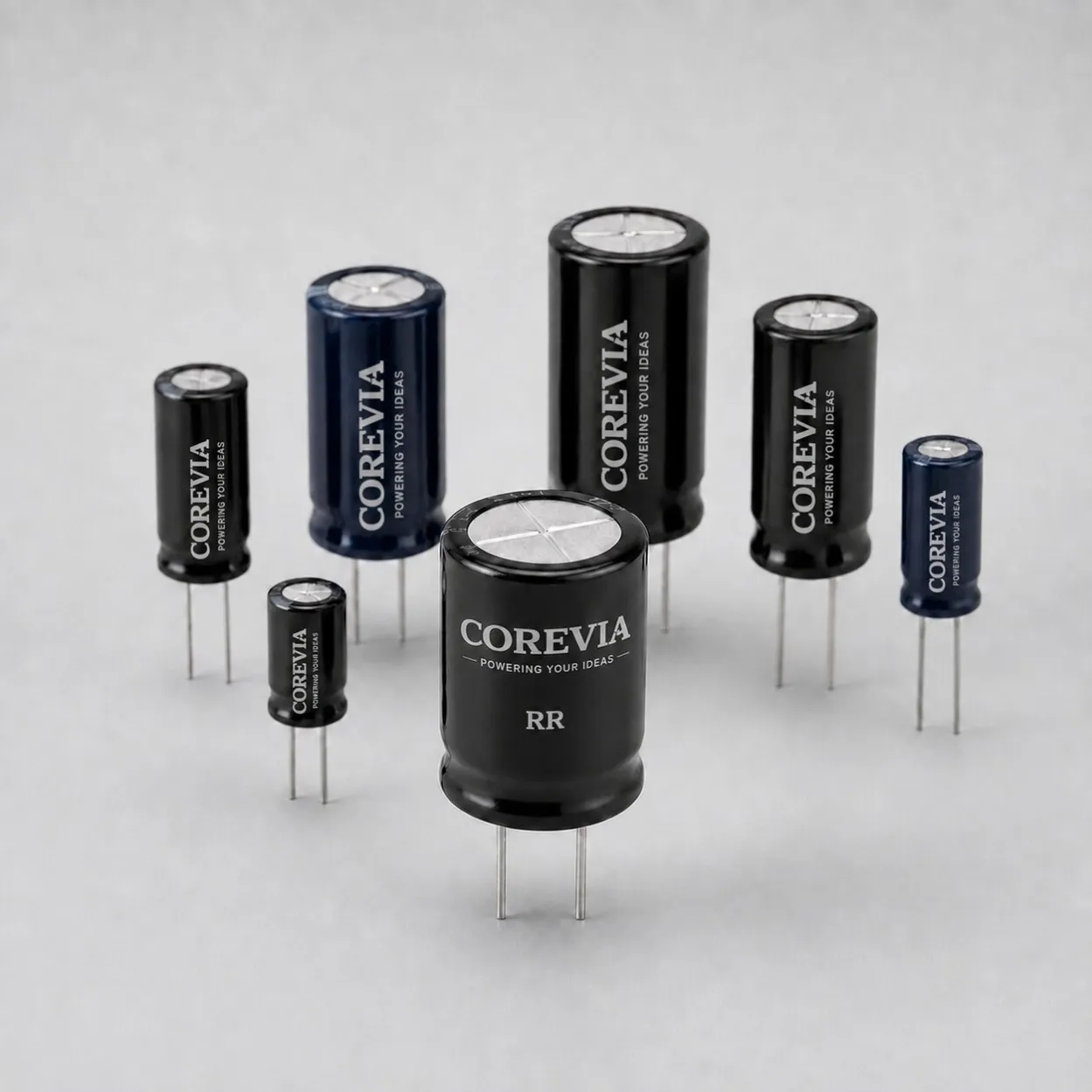
When reviewing a new design or an existing installation, clear mounting photos are often as valuable as the circuit specification. COREVIA can support capacitor selection and application review for screw-terminal, snap-in, radial-leaded and surface-mount aluminum electrolytic capacitors.
Use the website inquiry form to send the capacitor model, operating conditions and mounting photos for review.