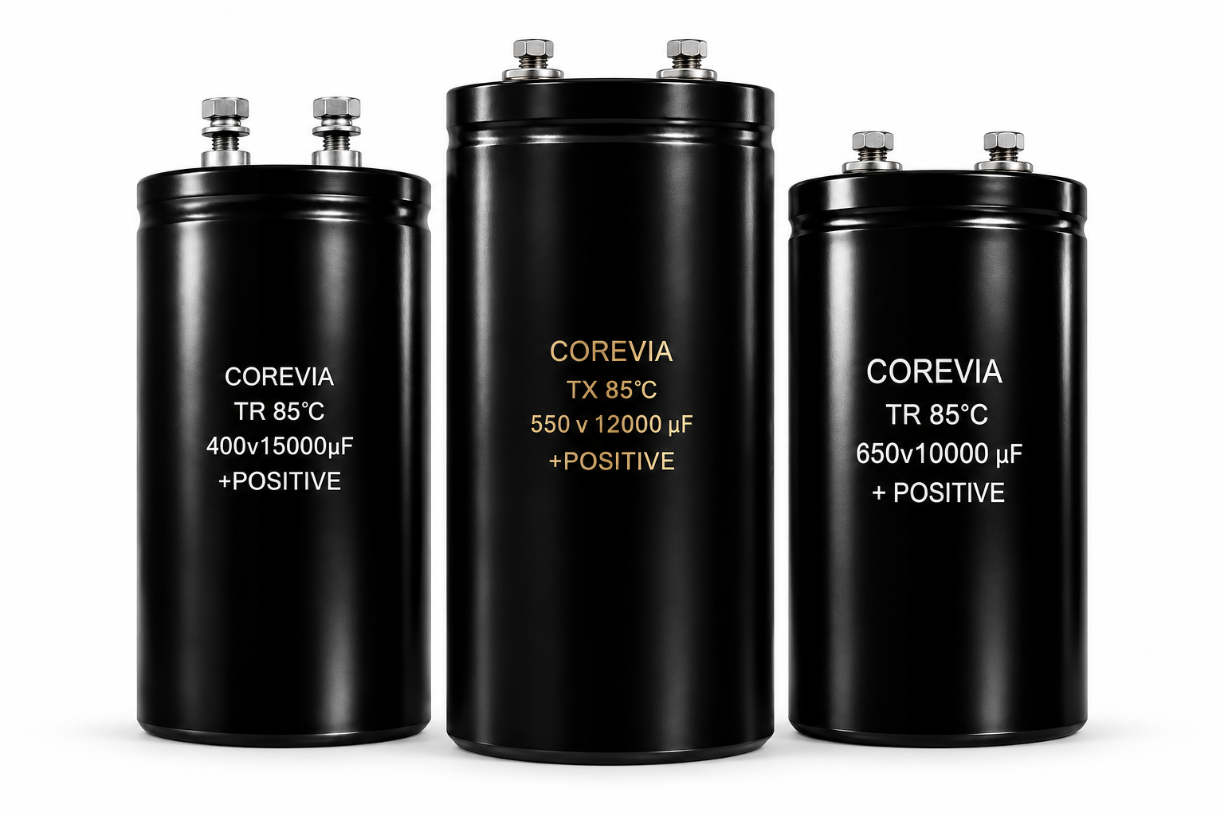
What Should You Record When Receiving COREVIA Capacitors for Production?
A receiving checklist for COREVIA aluminum electrolytic capacitors: match the exact part, record supplied lot details, inspect condition and retain production traceability.
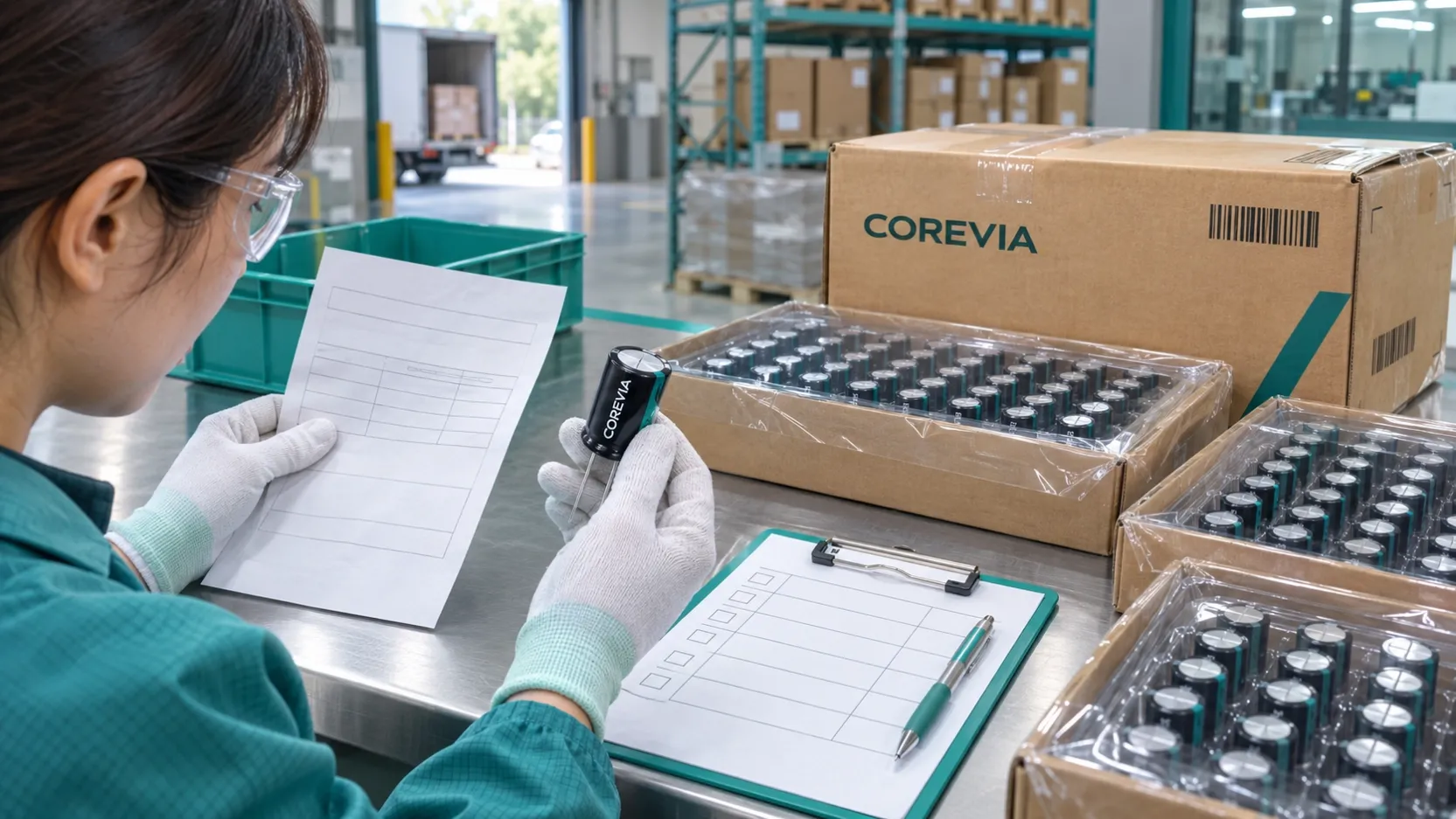
At receiving, keep the identity and history of each COREVIA capacitor shipment connected to the actual parts before they enter production. Match the order and part number, record the carton and part markings that are present, inspect packaging and representative parts, and preserve the link between each accepted lot and the boards or equipment built from it. A capacitance reading alone cannot establish which lot was installed later.
What should receiving record before parts are mixed?
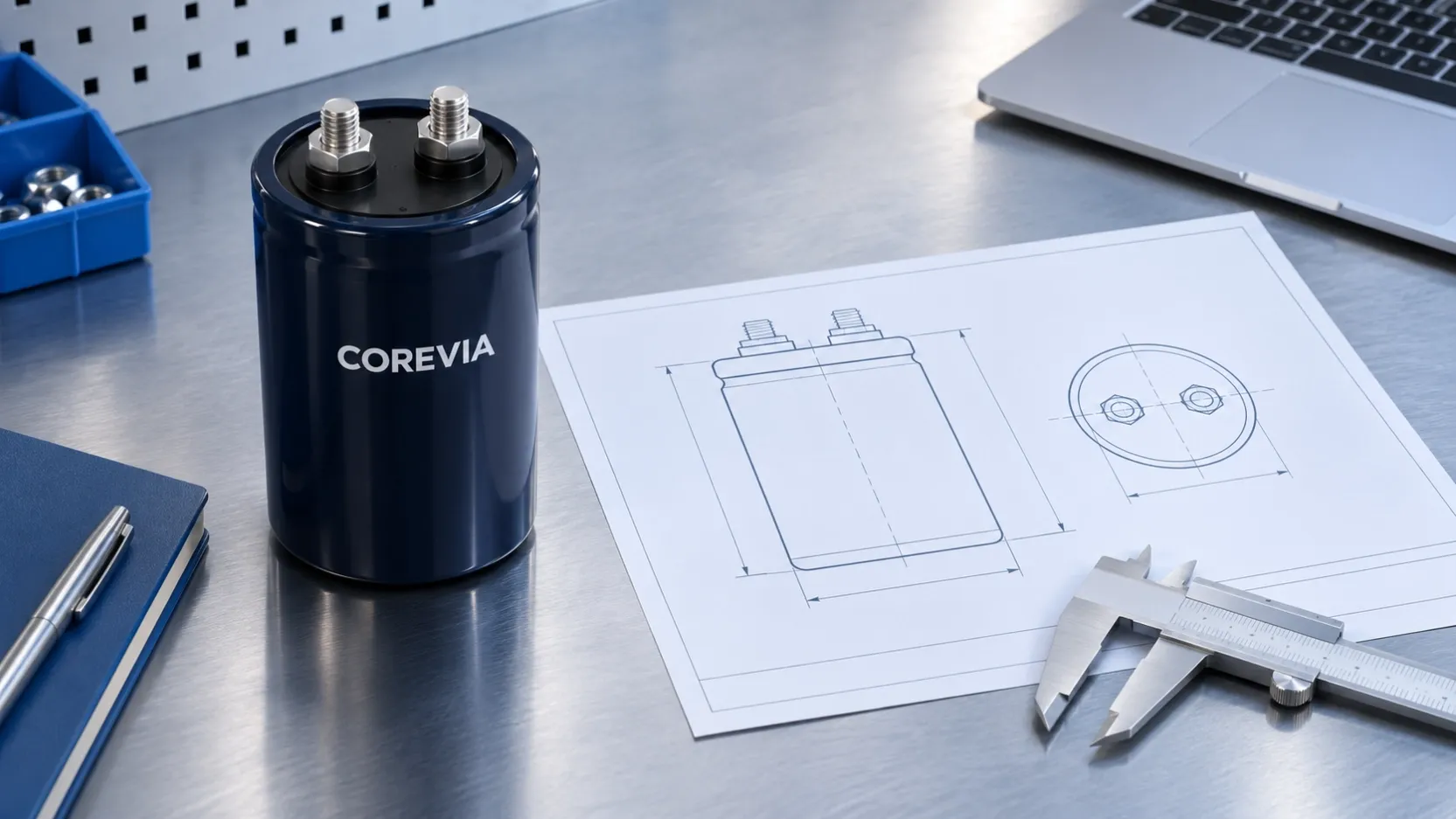
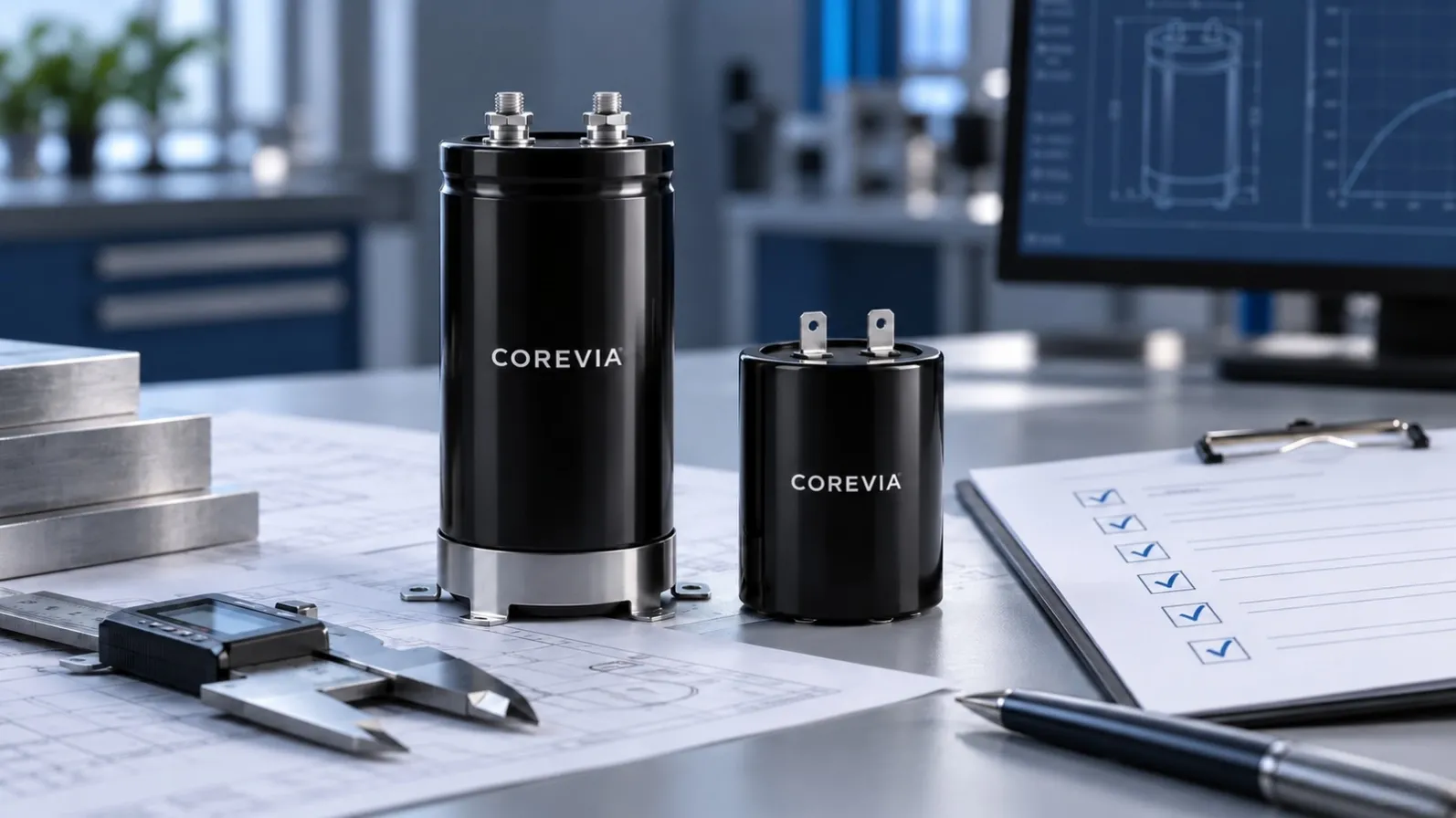
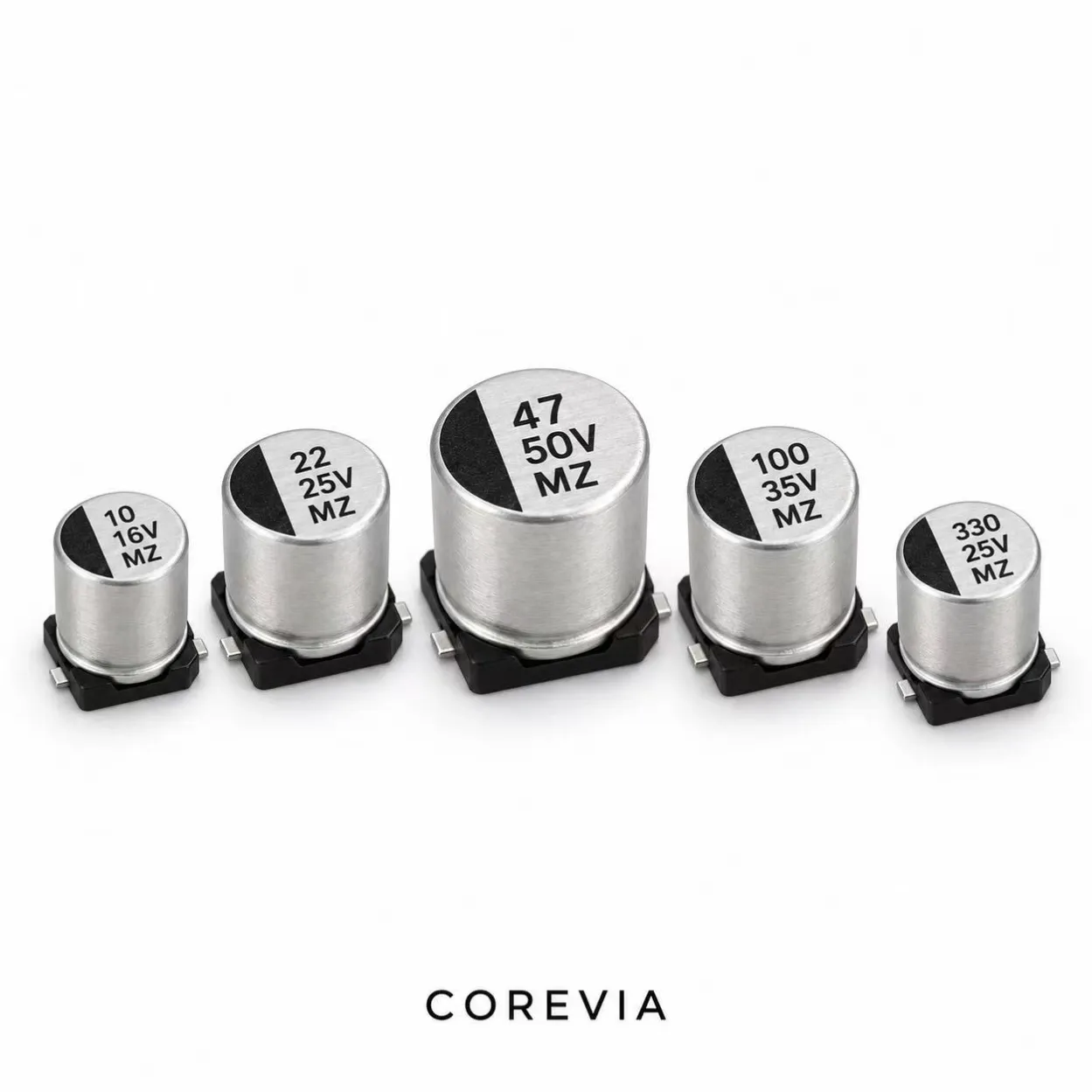
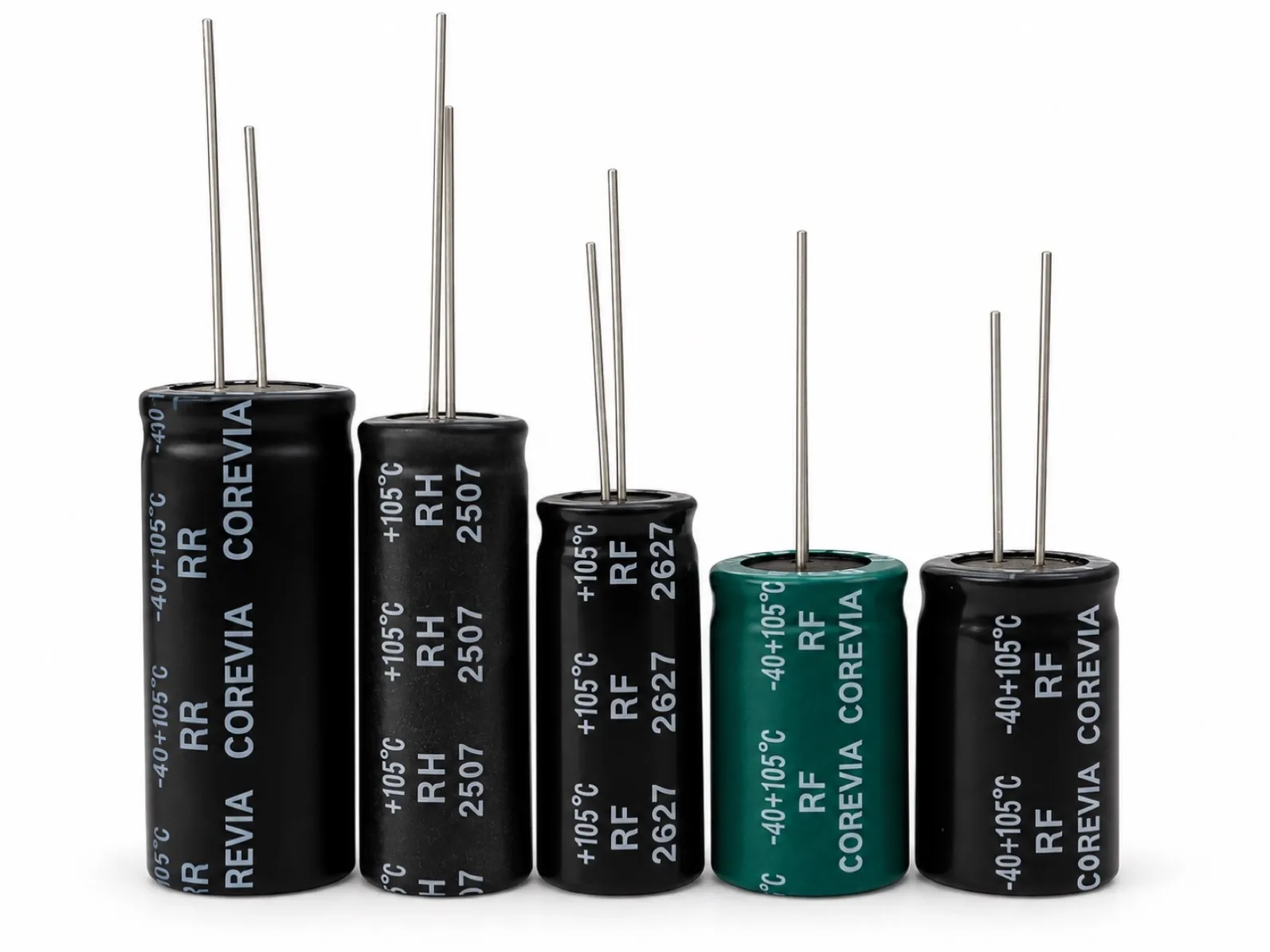
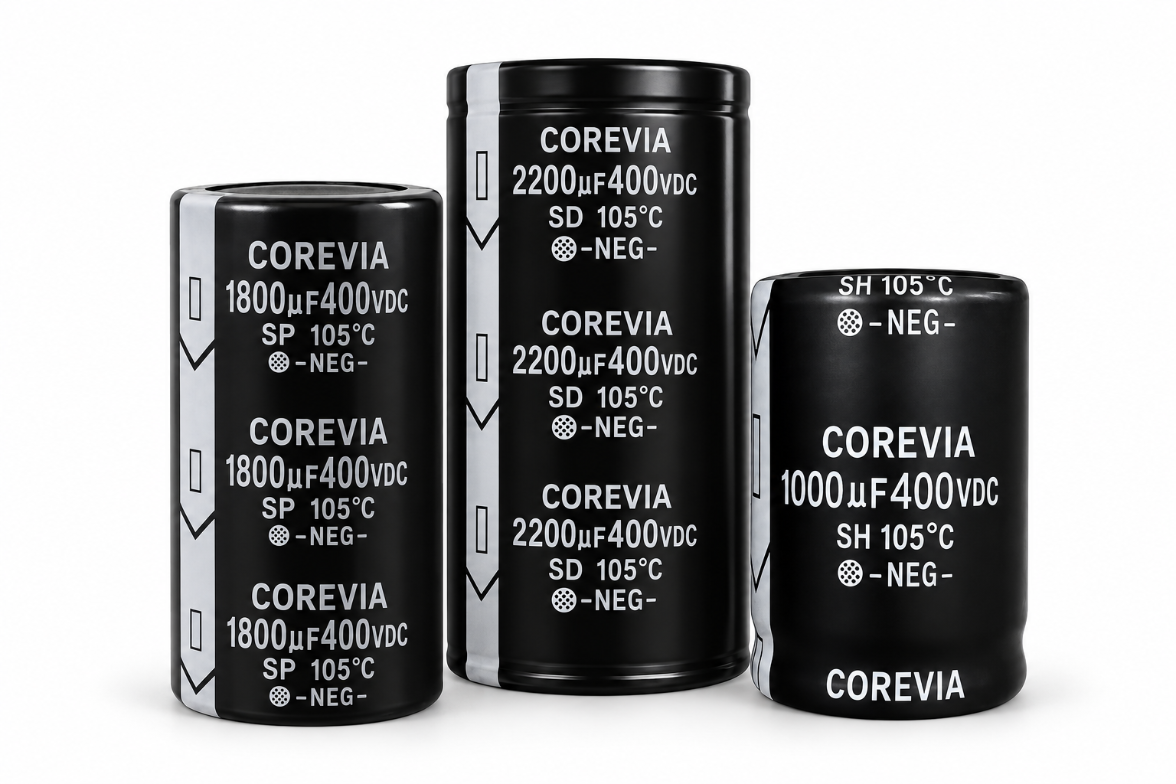
Match the purchase order and packing documents to the full COREVIA part number, capacitor family, quantity and the labeling actually supplied. COREVIA offers SMD, radial leaded, snap-in and screw-terminal aluminum electrolytic capacitor families; a family name or nominal capacitance is not enough to identify an interchangeable part. Photograph the unopened cartons and labels, note any lot or date information shown, and assign your internal receiving ID. If a package lacks a field your process requires, ask COREVIA for clarification rather than inventing a batch code.
Which physical checks belong in the receiving record?
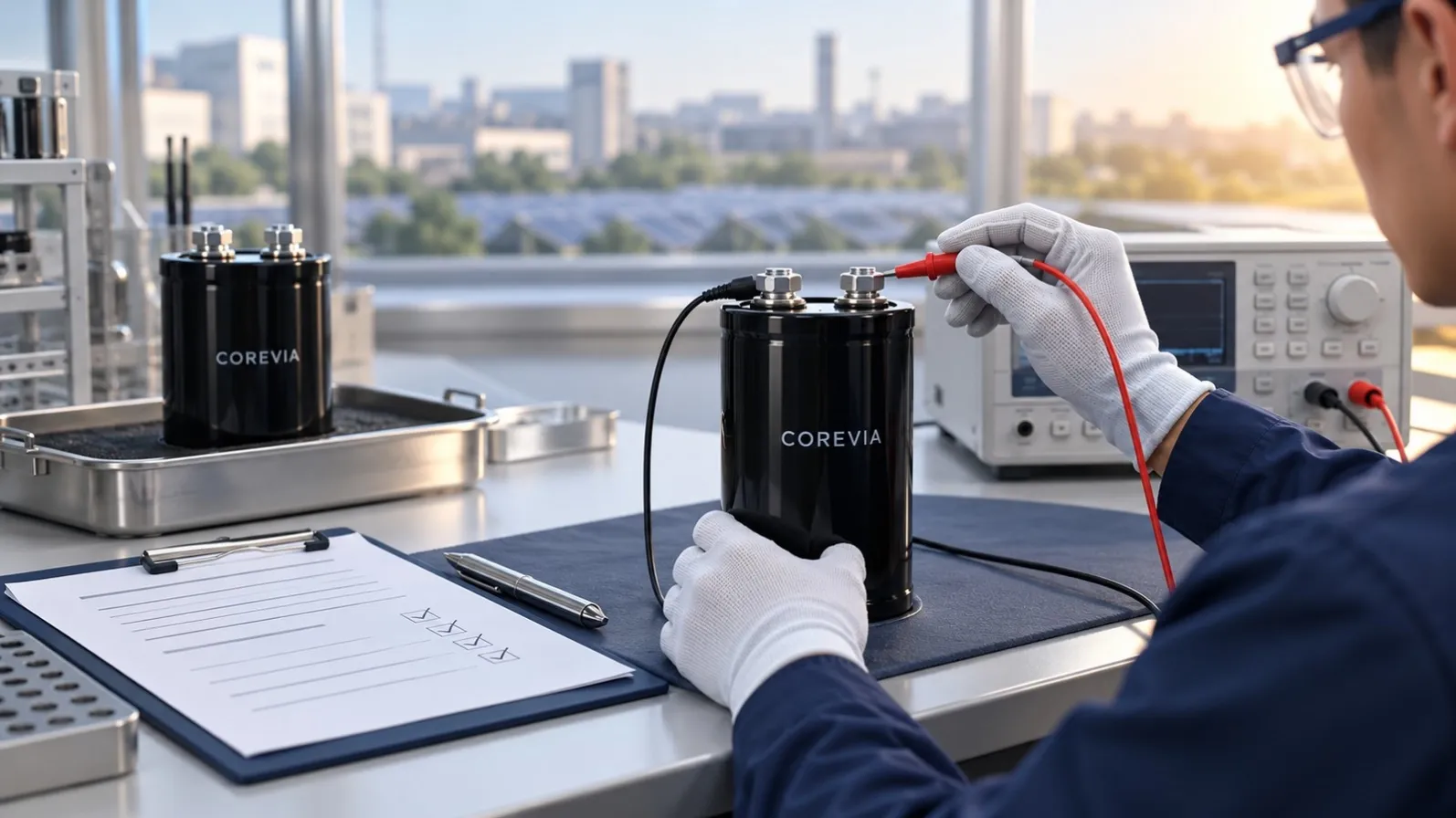
Inspect the outer packaging for crushing, moisture exposure or broken seals. On a sample chosen under your incoming inspection plan, compare part markings, terminal style and visible condition with the approved order and drawing. Segregate anything dented, leaking, visibly deformed or otherwise suspect for engineering review. Keep photos and the actual disposition with the receiving record. Electrical checks such as capacitance, leakage current or dissipation factor must follow the exact series specification and agreed test method; a generic meter setting is not a universal acceptance criterion.
| Record item | Why it helps | Example evidence |
|---|---|---|
| Order and full part number | Connects incoming parts to the approved design | PO, packing list and part marking |
| Supplied lot or date information | Lets production isolate affected stock later | Carton and label photos |
| Quantity and packaging condition | Shows what arrived and whether it needs review | Count and receiving photos |
| Inspection and disposition | Explains why stock was released or held | Checklist, measurements and approval |
| Production issue record | Links a received lot to finished assemblies | Warehouse pick and work order |
How do you preserve traceability through production?
Keep separate lots identifiable in storage and during kitting. When parts are issued to a work order, record which receiving ID was used, and keep any remainder under the same identity. If multiple lots are used, record the changeover point according to your production system. This makes a later quality investigation narrower and faster. Do not infer that different date codes have identical storage history; assess them against the approved part and your own inventory controls.
For a discrepancy, hold the affected stock and send COREVIA the full part number, photos of the carton and part markings, delivery reference, quantity affected and the observed issue. COREVIA can then review the specific shipment with you.
FAQ: capacitor receiving records
Is the carton label enough to identify parts after unpacking?
Only if your warehouse process keeps the label and its receiving ID connected to the opened container and every production issue. Preserve the link when repacking or splitting quantities.
Should every capacitor be electrically measured at receiving?
That depends on the agreed inspection plan and application risk. If testing is required, use the exact COREVIA series limits and specified conditions, and record the method and sample results.
What if part and packing information disagree?
Hold the shipment from production and request a part-specific review. Keep the original documents and photos so the discrepancy can be resolved without losing traceability.
For help identifying the correct series, see COREVIA capacitor families. To review an incoming discrepancy, contact COREVIA with your order and label photos.