Aug 29, 2026Capacitor Selection
450V Aluminum Electrolytic Capacitor Selection Guide
How to select a 450V aluminum electrolytic capacitor using capacitance, ripple current, ESR, temperature, endurance, case size and terminal construction.
450V Aluminum Electrolytic Capacitor Selection Guide
A 450V aluminum electrolytic capacitor is widely used in DC-link sections of frequency inverters, UPS systems, industrial drives, power supplies and renewable-energy converters. Selecting the correct replacement requires more than matching 450V and the printed capacitance value.
This guide explains the electrical, thermal and mechanical information needed before choosing a snap-in or screw terminal 450V capacitor.
Confirm the Maximum DC-Bus Voltage
A 450V rating defines the capacitor's maximum rated DC voltage under specified conditions. It does not mean that every application with a nominal bus below 450V automatically has enough design margin.
Review the maximum continuous DC voltage, input-line tolerance, regenerative events, control overshoot and transient conditions. If the real bus can approach the capacitor rating, the application needs a detailed review rather than a like-for-like label match.
Match the Required Capacitance
Capacitance affects bus ripple, hold-up capability and transient response. Common 450V capacitor values vary significantly by application and case size.
When replacing a capacitor, verify:
• Nominal capacitance and tolerance
• Acceptable DC-bus ripple
• Required energy storage
• Inrush and charging-current behavior
• Parallel capacitor-bank configuration
Increasing capacitance without checking the circuit can increase charging stress and may affect protection or control behavior.
Compare Ripple-Current Ratings
Ripple current produces internal heat through ESR. Two capacitors marked 450V with the same capacitance can have different ripple-current capability because of construction, case size, electrolyte system and endurance design.
Use the actual RMS ripple current, operating frequency and harmonic content. Compare the requirement with the datasheet rating at the real ambient temperature and apply the manufacturer's frequency and temperature correction factors when relevant.
Check ESR and Impedance
ESR influences internal power loss and capacitor temperature rise. For inverter and UPS applications, review ESR or impedance at the frequencies produced by the switching circuit.
A replacement with insufficient ripple-current capability or unsuitable ESR may run hotter even though voltage and capacitance match the original component.
Review Temperature and Endurance
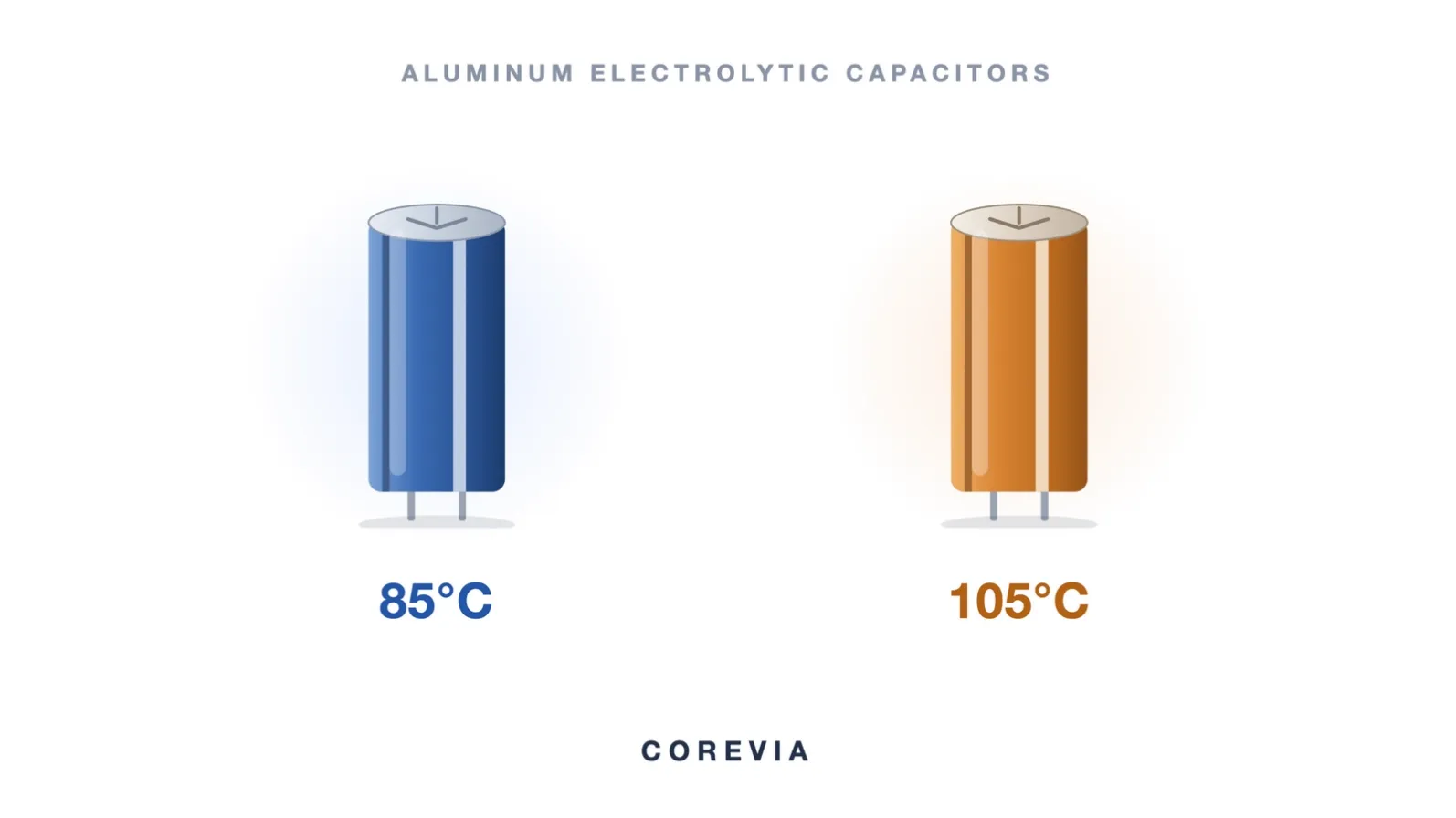
High ambient temperature, restricted ventilation and nearby heat sources can shorten capacitor life. Evaluate:
• Maximum enclosure temperature
• Measured capacitor hotspot temperature
• Airflow and cooling method
• Distance from heat sinks, IGBTs and resistors
• Expected daily operating hours
• Required service-life target
Datasheet endurance values are measured under defined test conditions. Real application life depends strongly on voltage, ripple-current heating and temperature.
Choose Snap-in or Screw Terminal Construction
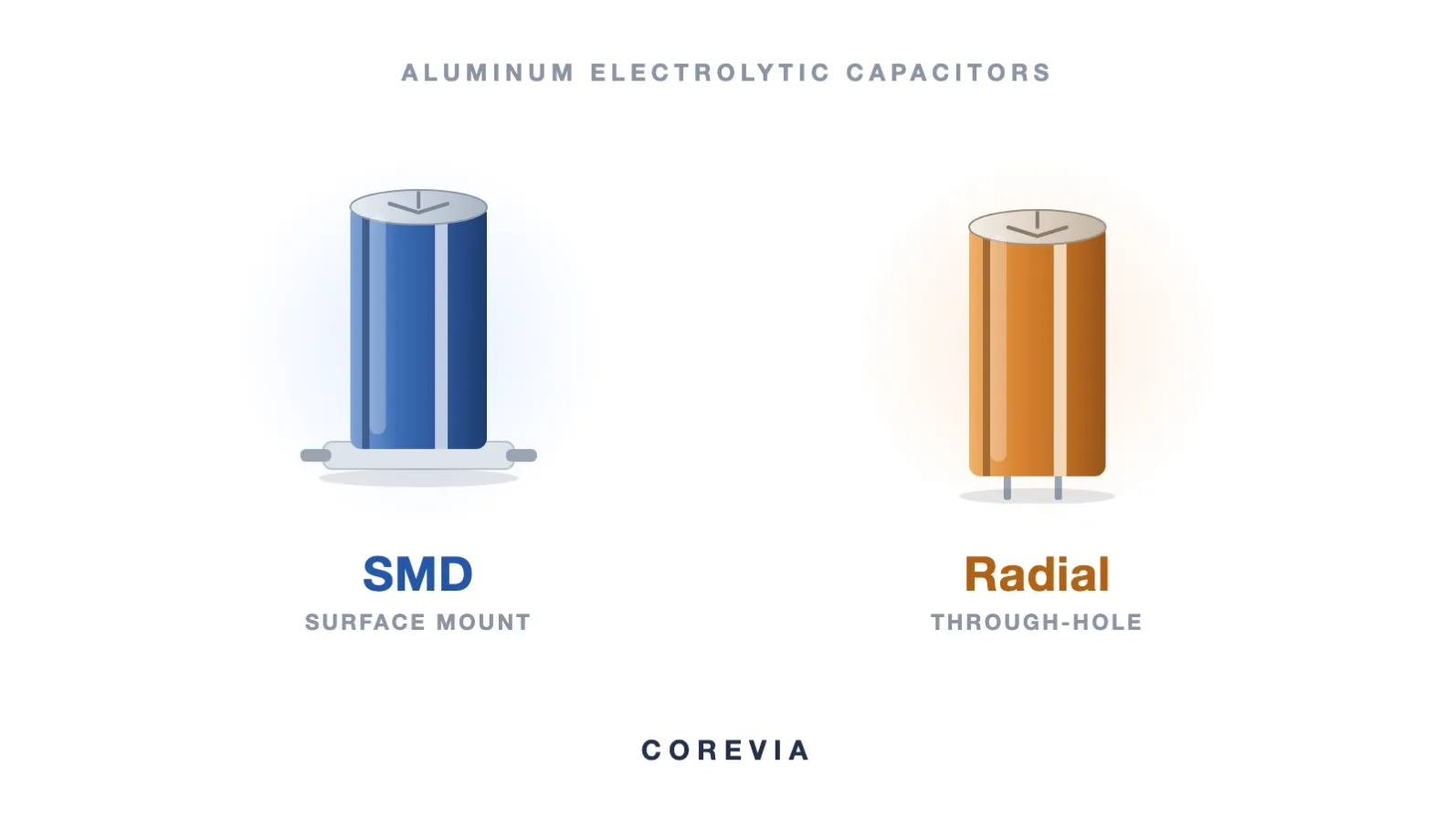
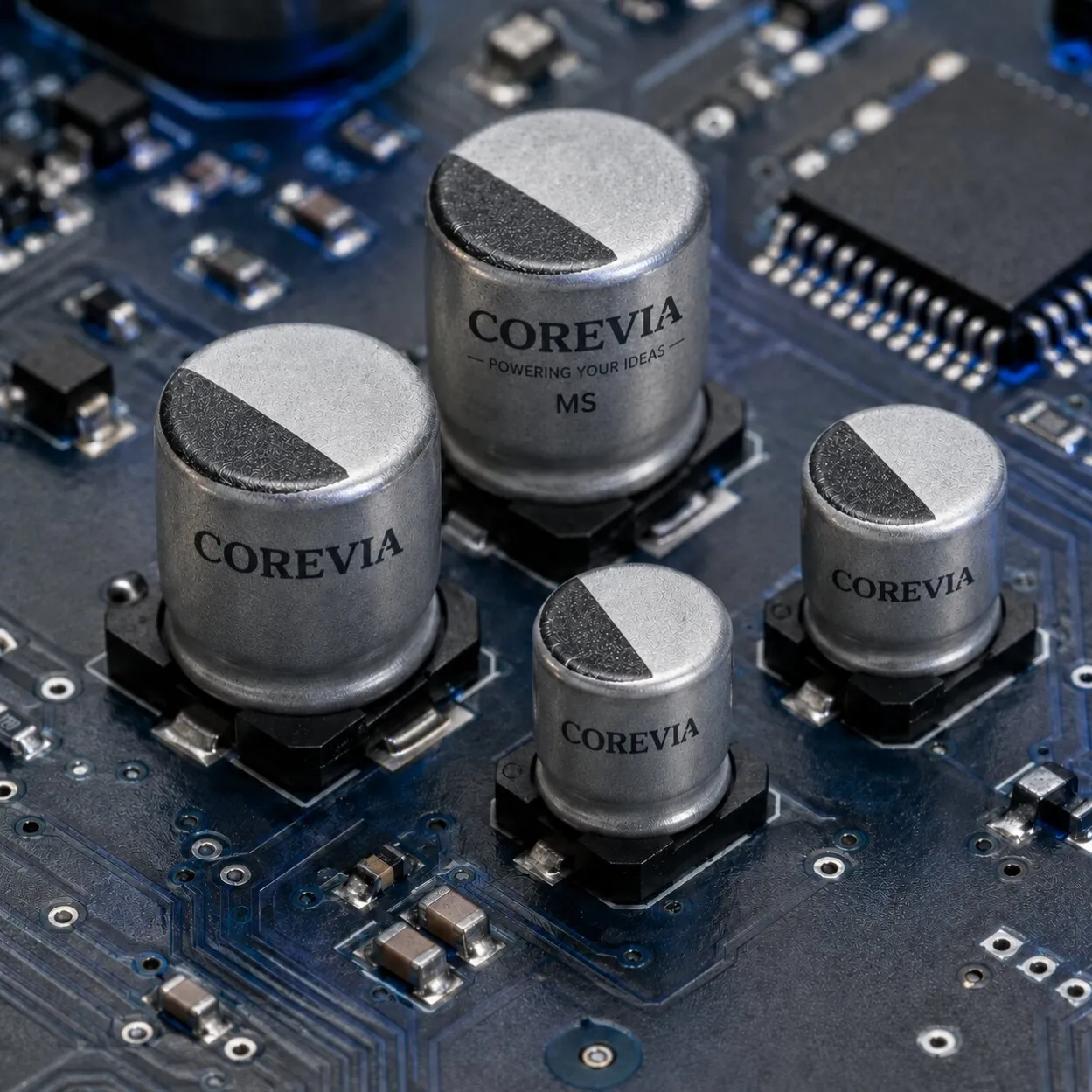
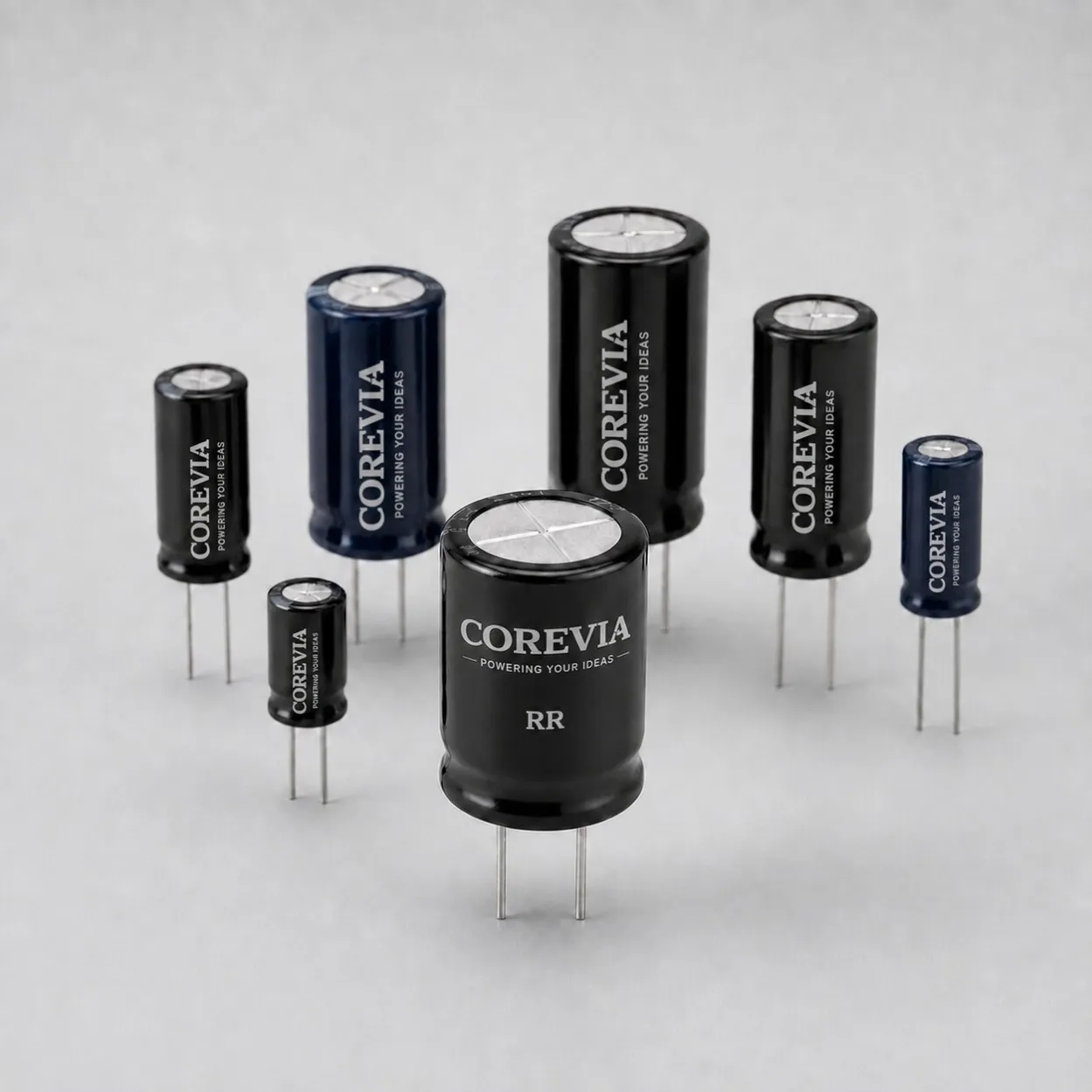
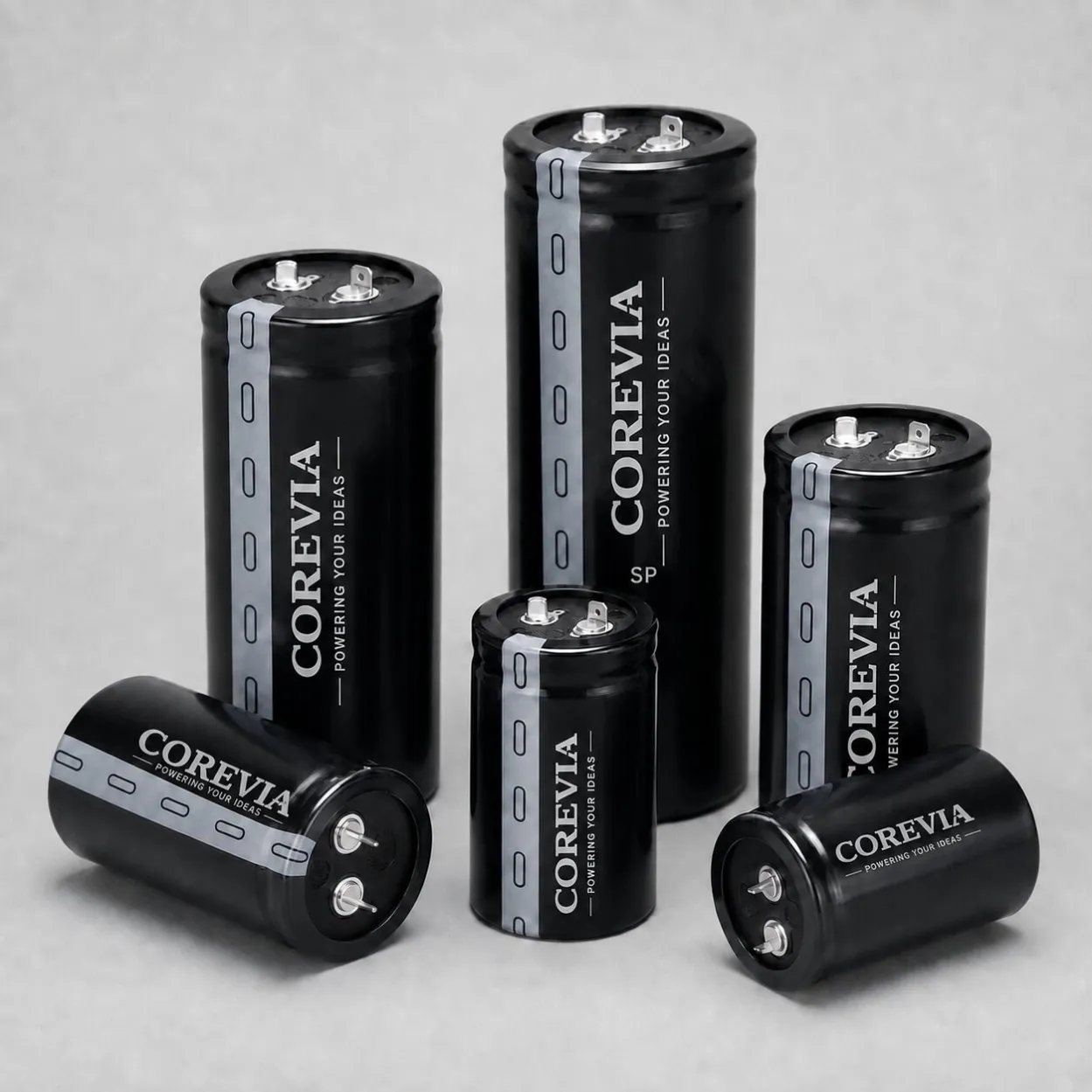
Snap-in 450V aluminum electrolytic capacitors are typically used for PCB-mounted DC-link sections where compact size and production efficiency matter. View the COREVIA snap-in capacitor family:
https://www.coreviacap.com/products/snap-in-terminal-aluminum-electrolytic-capacitors
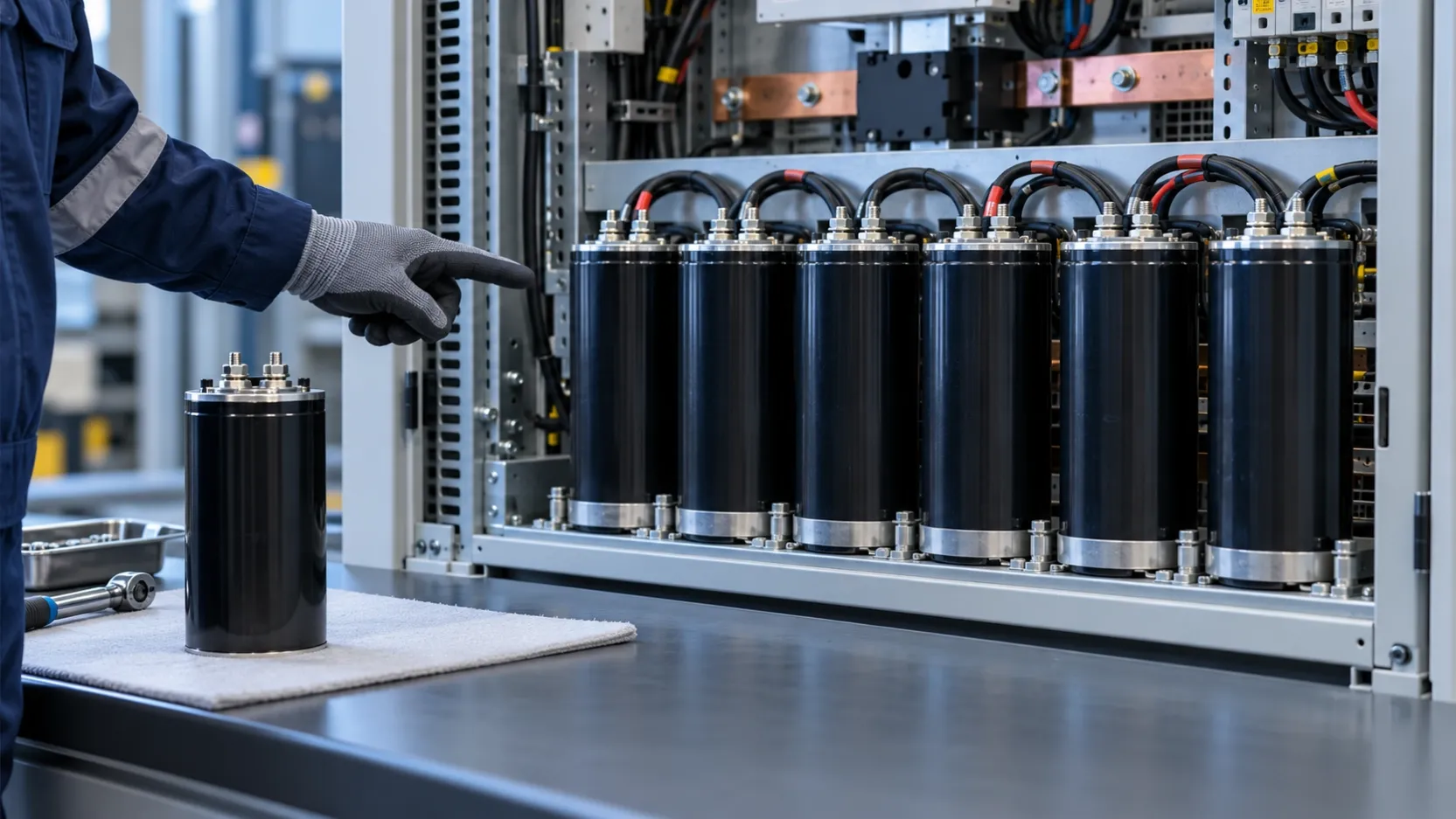
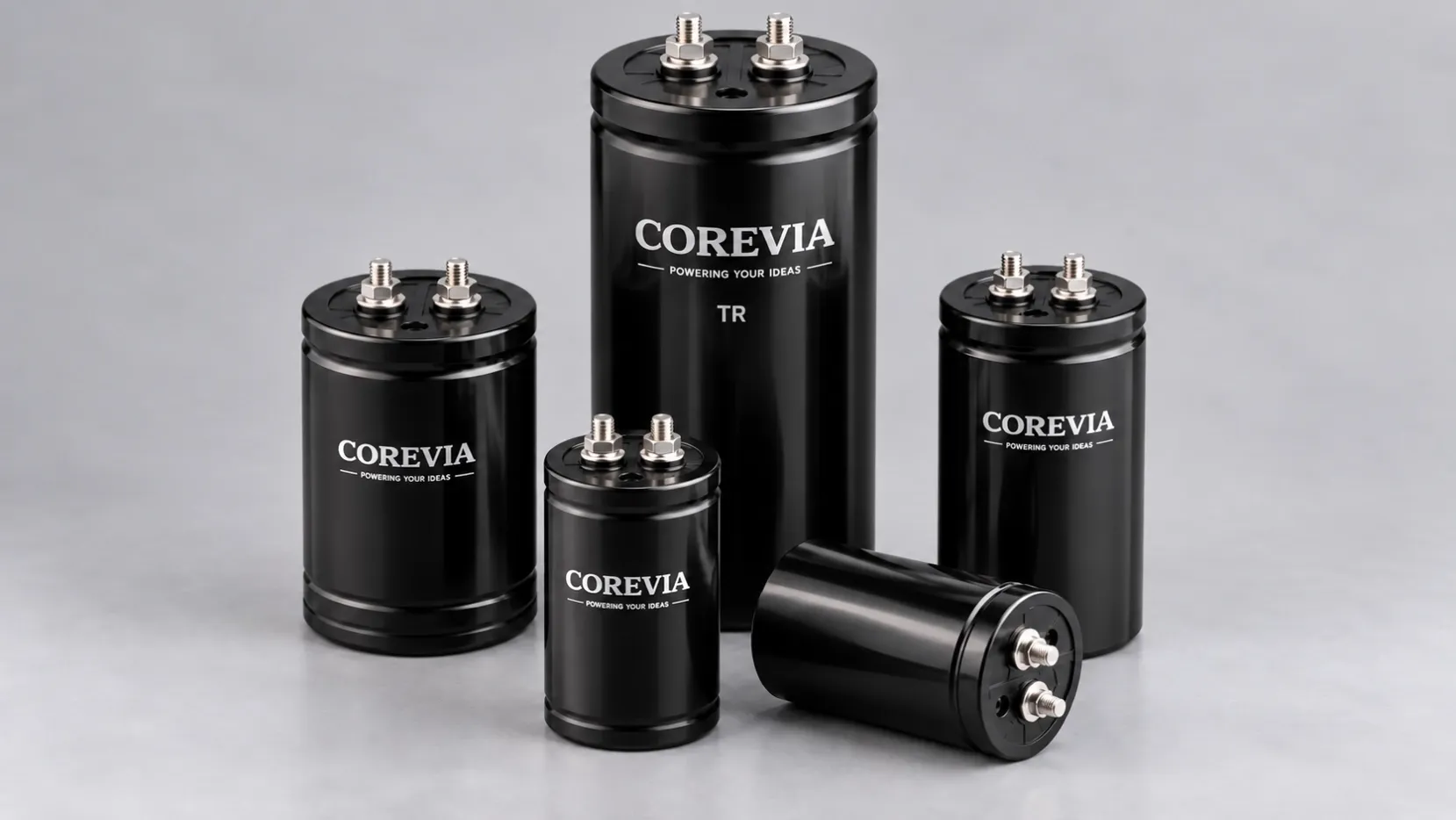
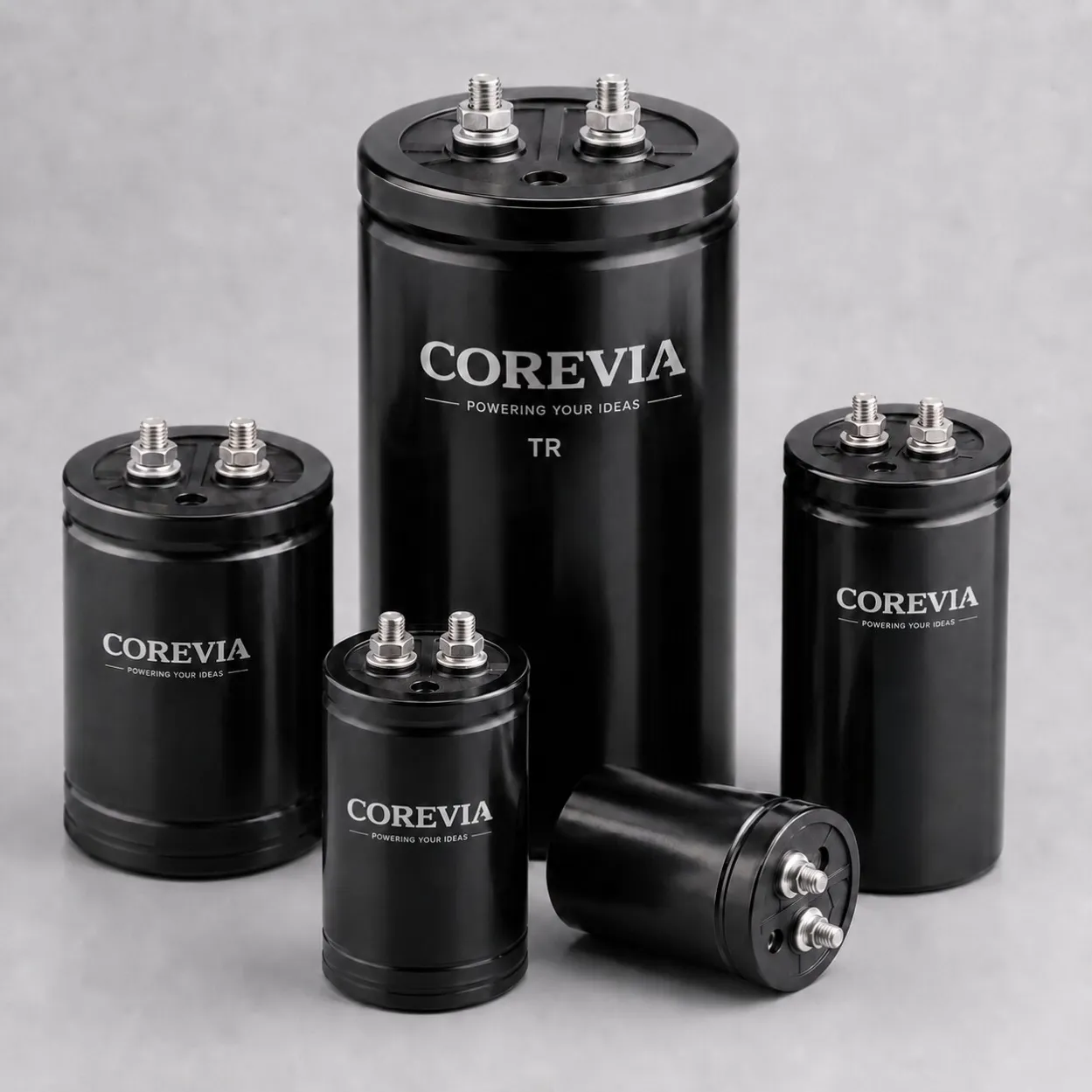
Screw terminal 450V aluminum electrolytic capacitors are commonly used when higher capacitance, high ripple-current capability, busbar mounting or serviceable connections are required. View the COREVIA screw terminal capacitor family:
https://www.coreviacap.com/products/screw-terminal-aluminum-electrolytic-capacitors
Terminal style is not interchangeable without checking the mechanical design, electrical current path and installation method.
Verify Case Size and Mounting
Record the original case diameter, length, terminal spacing, mounting hardware and available clearances. A capacitor with suitable electrical ratings may still be unusable if it does not fit the original assembly or busbar.
Also check polarity marking, vent clearance, vibration and whether the mounting arrangement places stress on the terminals.
Information Required for a 450V Replacement Review
To identify a suitable COREVIA series, provide:
• Rated voltage: 450V
• Required capacitance and tolerance
• Actual or estimated ripple current
• ESR or impedance requirement
• Ambient or hotspot temperature
• Case diameter and length
• Snap-in pin layout or screw terminal details
• Endurance target
• Application type and load profile
• Original brand, part number, datasheet or product photo
• Expected quantity
Do Not Select by Part Number Alone
A safe replacement decision should compare the complete electrical, thermal and mechanical profile. A part with the same 450V rating and capacitance can still be poorly matched if ripple current, temperature, dimensions or endurance are different.
Send your original 450V capacitor specification to [email protected] or submit the details through the COREVIA inquiry page:
https://www.coreviacap.com/contact-us
COREVIA | 450V Aluminum Electrolytic Capacitor Solutions