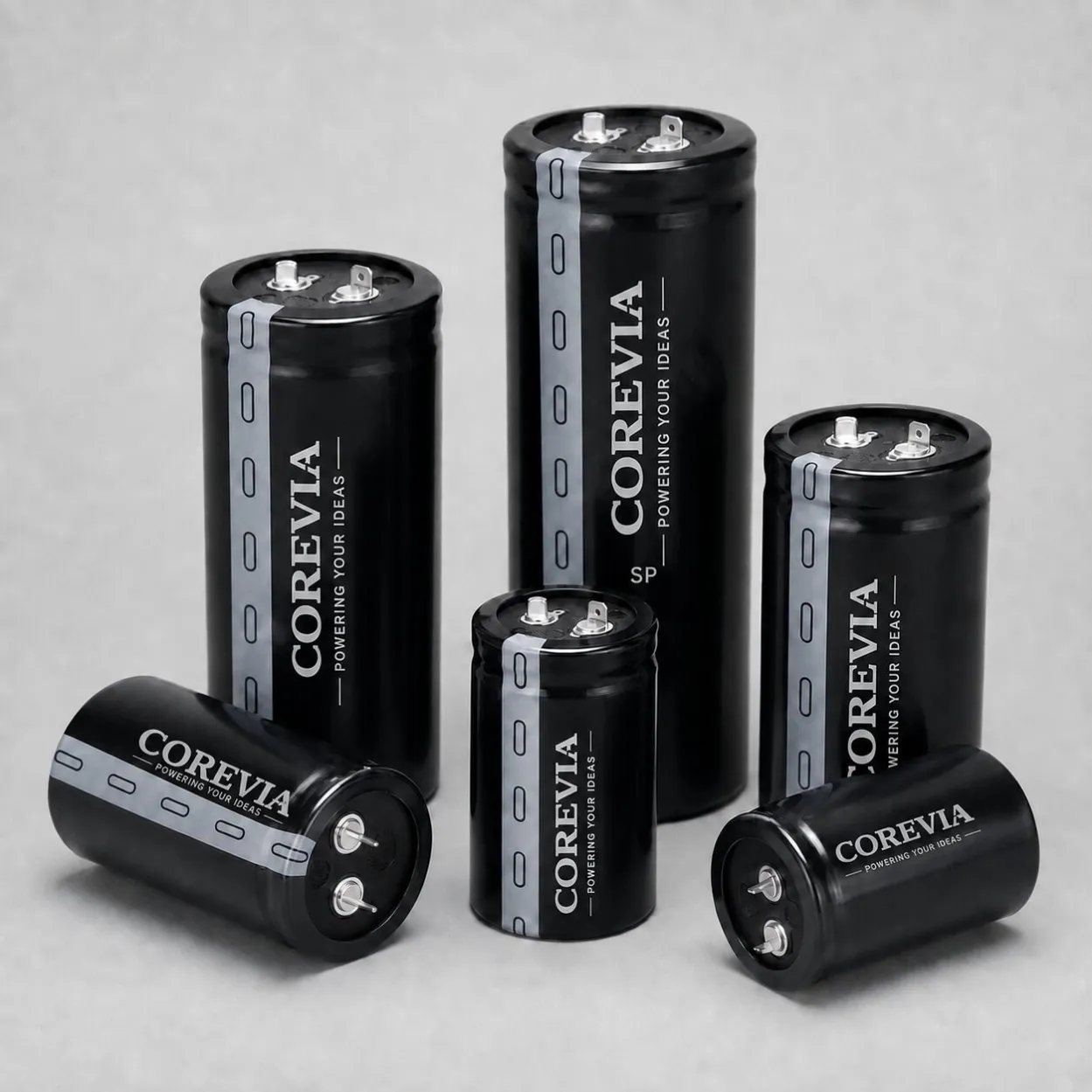
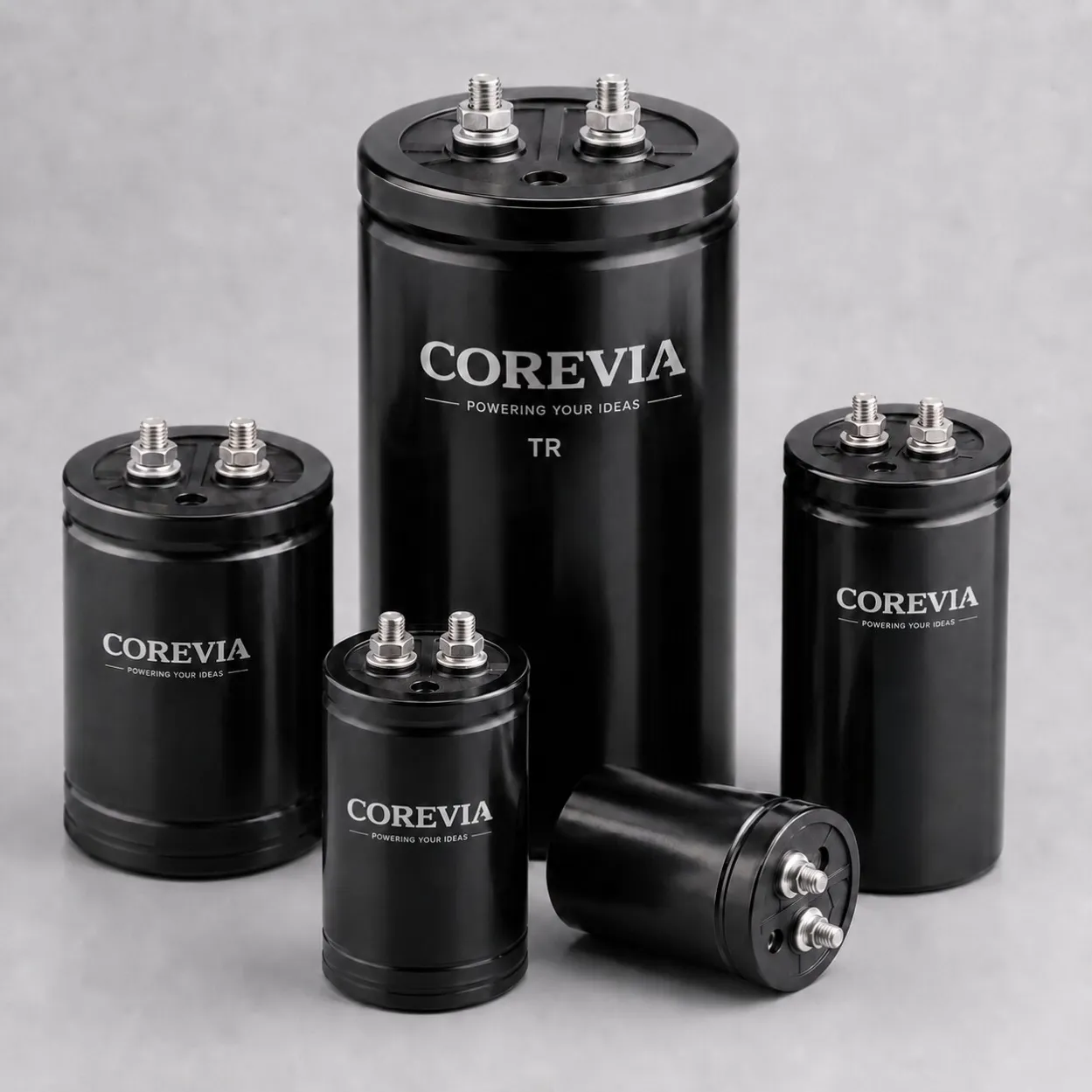
Rapid Charge-Discharge Aluminum Electrolytic Capacitor Selection
Learn why general-purpose aluminum electrolytic capacitors may not suit repeated rapid charge-discharge circuits and what operating data engineers should check.
Correct Voltage Does Not Guarantee the Right Capacitor
An aluminum electrolytic capacitor can have the correct voltage rating and capacitance and still be unsuitable for the application.
This is common in servo drives, regenerative equipment, welding machines and pulse-power systems. In these applications, the DC-link voltage may rise and fall repeatedly by a large amount. That is different from normal DC smoothing.
Why Repeated Charge and Discharge Matters
A general-purpose aluminum electrolytic capacitor is normally selected for a relatively stable DC voltage with ripple superimposed on it. Rapid cycling creates a different operating condition.
If the voltage changes sharply and repeatedly, the capacitor may experience electrical and electrochemical stress that is not covered by ordinary filtering specifications. Over time, this can contribute to capacitance loss, increased leakage current, internal heating or gas generation.
This does not mean every changing DC bus will cause a failure. It means the actual charge-discharge pattern must be reviewed before the capacitor is approved.
Where This Operating Condition Appears
- Servo drives with frequent acceleration and braking
- Regenerative motor-control equipment
- Industrial welding machines
- Pulse-power and test systems
- Equipment with repeated DC-bus charging and discharging
Information the Supplier Needs
Voltage and capacitance alone are not enough. For a useful application review, provide:
- Maximum and minimum operating voltage
- Voltage change during each cycle
- Charging and discharging time
- Number of cycles per minute or hour
- Daily operating time
- Expected total number of cycles
- Discharge path and load type
- Whether regenerative energy returns to the DC bus
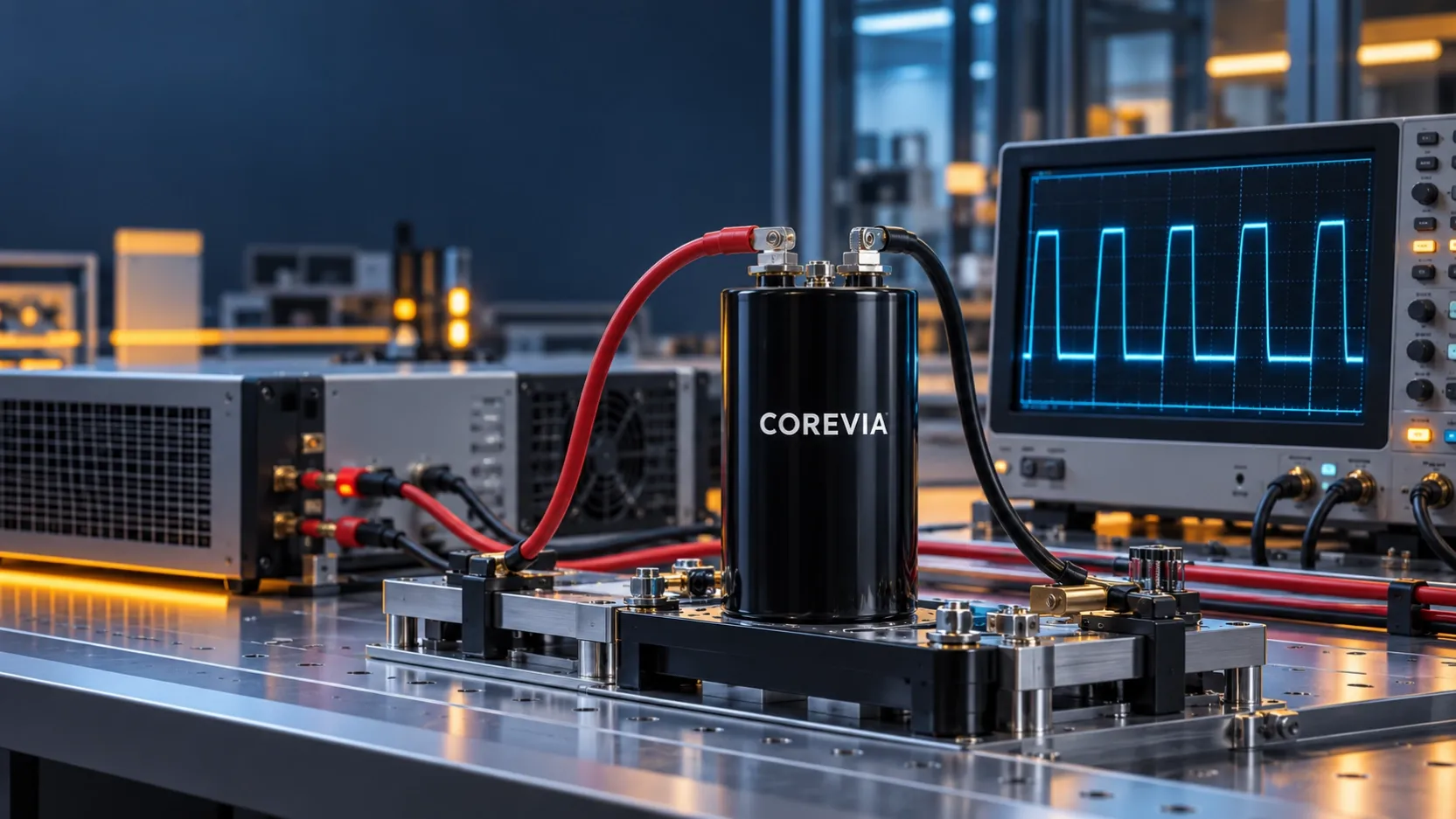
A measured voltage waveform is especially helpful. It shows whether the capacitor is performing normal filtering or repeatedly moving through a large voltage range.
A Common Selection Mistake
One common response is to choose a capacitor with a higher ripple-current rating. That may improve one part of the design, but it does not automatically prove that the product can withstand the required charge-discharge cycle.
The better question is:
Has this capacitor been evaluated for the actual voltage swing, cycling speed and expected number of operations?
Practical Review Checklist
- Record the DC-link voltage during a complete machine cycle.
- Compare normal operation, acceleration, braking and standby conditions.
- Confirm whether energy is returned to the bus.
- Share the waveform and duty cycle before approving the capacitor.
- Use a capacitor designed or validated for the required charge-discharge duty.
COREVIA Application Support
COREVIA supports aluminum electrolytic capacitor selection for industrial power electronics, including servo drives, inverters, UPS systems and energy-conversion equipment.
For an application review, send the capacitor specification, DC-bus voltage range, charge-discharge waveform, cycle frequency, operating temperature and expected service duty.
COREVIA — Aluminum Electrolytic Capacitor Solutions
[email protected]
WhatsApp: +86 13771262062
www.coreviacap.com